Five Must-See Places in El Hierro
The smallest island and the quietest. Wind-bent junipers, a marine reserve, and a lighthouse at the old end of the map.
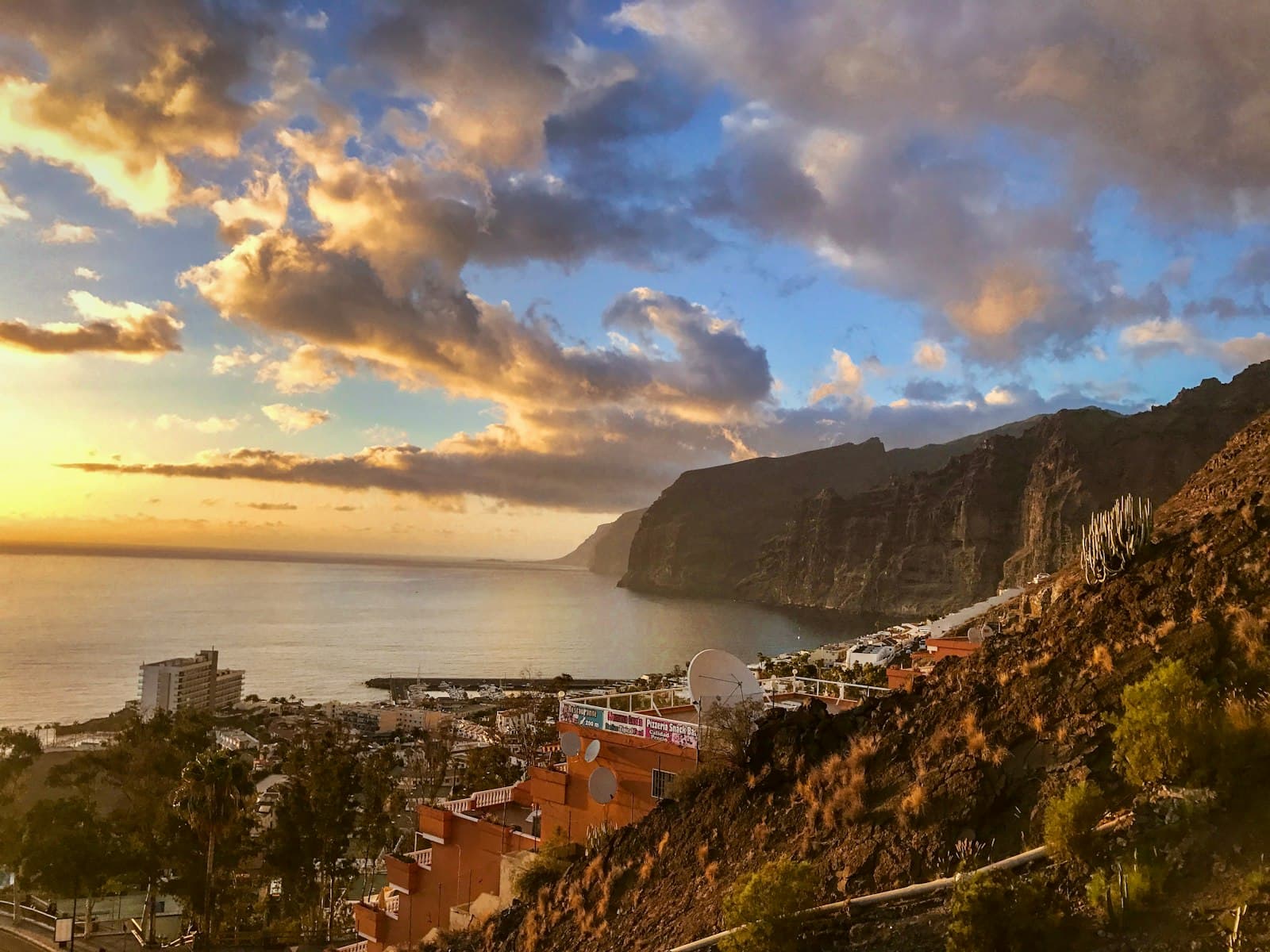
El Hierro is the smallest of the seven main islands and the furthest west, and until 1492 it was where European maps stopped. It has been a UNESCO Biosphere Reserve since 2000, and it is the quietest place in the archipelago by some distance.
If you want busy, this is the wrong island. That is rather the point. These five are a starting point, on an island where the driving between things is half of it.
1. El Sabinar
A stand of juniper trees on the exposed western plateau, bent almost flat by the wind. Some of them lie nearly parallel to the ground with their branches still growing upward.
They are the island's emblem and they are genuinely strange to stand among. The trees are old and slow-growing, and the ground under them is fragile, so keep to the path and do not climb on them for a photograph.
2. La Restinga
A small village at the southern tip, and the reason many people come. The water offshore is part of the Mar de las Calmas marine reserve, and it is among the better diving in Europe: clear, warm by Atlantic standards, and busy with fish because it has been protected.
You do not have to dive. Swimming and snorkelling from the harbour is easy, and the village itself is a low-key place to spend an evening.
3. Mirador de la Peña
A viewpoint on the north coast designed by César Manrique, looking down over the El Golfo valley and the sea. It is one of the more restrained things he did, and the view does most of the work: a broad green bowl with a wall of cliff behind it, which is what is left of a vast landslide.
Cloud sits in the valley often. Go with the expectation that you may see very little, and be pleased when you do.
4. Charco Azul and the pools
The north coast has a set of natural pools in the rock. Charco Azul is the best known: a basin partly enclosed by lava, reached down steps.
They are tidal and swell-dependent. At low tide in calm weather they are clear and sheltered. When there is any north swell running they are dangerous, and people have been badly hurt at pools like these across the islands. If the water is moving over the rim, do not get in.
5. Faro de Orchilla
A lighthouse at the south-western tip, and for a long time the reference point for the prime meridian before Greenwich took the job.
It is remote, the last part of the road is rough, and there is nothing there but the lighthouse, the lava and the ocean. That combination is the appeal or it is not.
Getting there and around
There are flights from Tenerife and a ferry, and the island is small enough to drive across in about an hour. The roads are good and quiet.
The single most useful thing to know is that El Hierro runs on a smaller scale than the other islands. Shops close, fuel stations are few, and there is not always somewhere open for lunch where you happen to be at one o'clock. Carry water and plan the day with that in mind.
Why it is quiet
The island has about eleven thousand residents and no mass tourism, and it has chosen that path deliberately: it invested early in renewable generation and has run for stretches entirely on wind and hydro.
Visiting somewhere that has made that choice carries a mild obligation. Take your rubbish with you, keep to the paths, and do not treat a place with one road and a handful of villages as a backdrop.