Five Must-See Places in Gran Canaria
Roque Nublo, the Maspalomas dunes and the mountain interior most people staying in the south never see.
Gran Canaria gets called a continent in miniature, which is the kind of phrase that usually means nothing. Here it is close to fair: the island runs from dunes in the south to pine forest and near-alpine ridges in the middle, and the drive between them takes under an hour.
Five places that cover that range. Plenty of others would too.
1. Roque Nublo
A rock monolith standing about 80m out of the central highlands, and the island's best-known silhouette. The walk to it from the car park at La Goleta is short and mostly gentle, which is why it is busy.
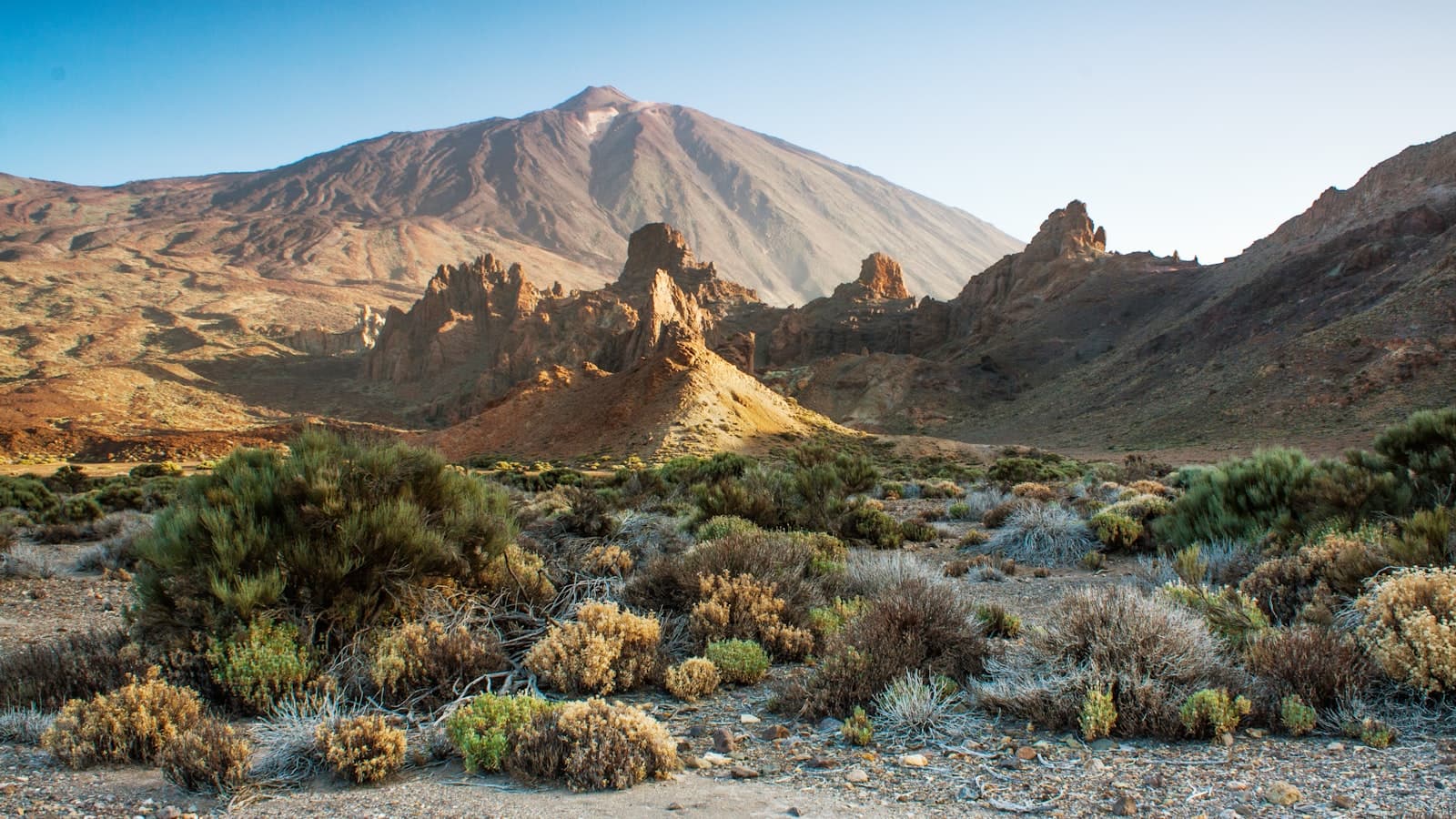
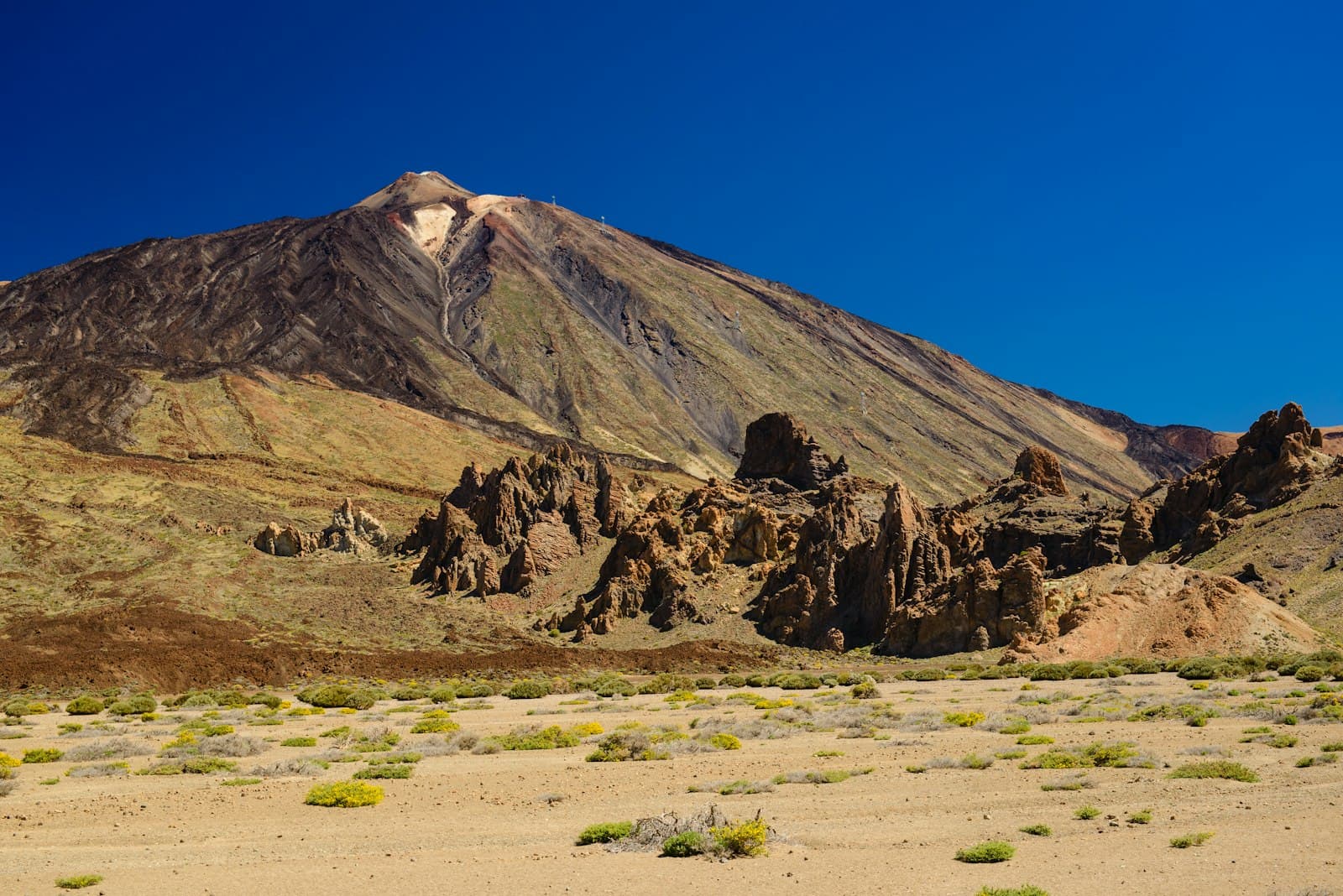
Go early or late. In the middle of the day it is hot, exposed and full, and the light is flat. From the base you can usually see Teide across the water on Tenerife, which is worth the timing on its own.
2. Maspalomas dunes
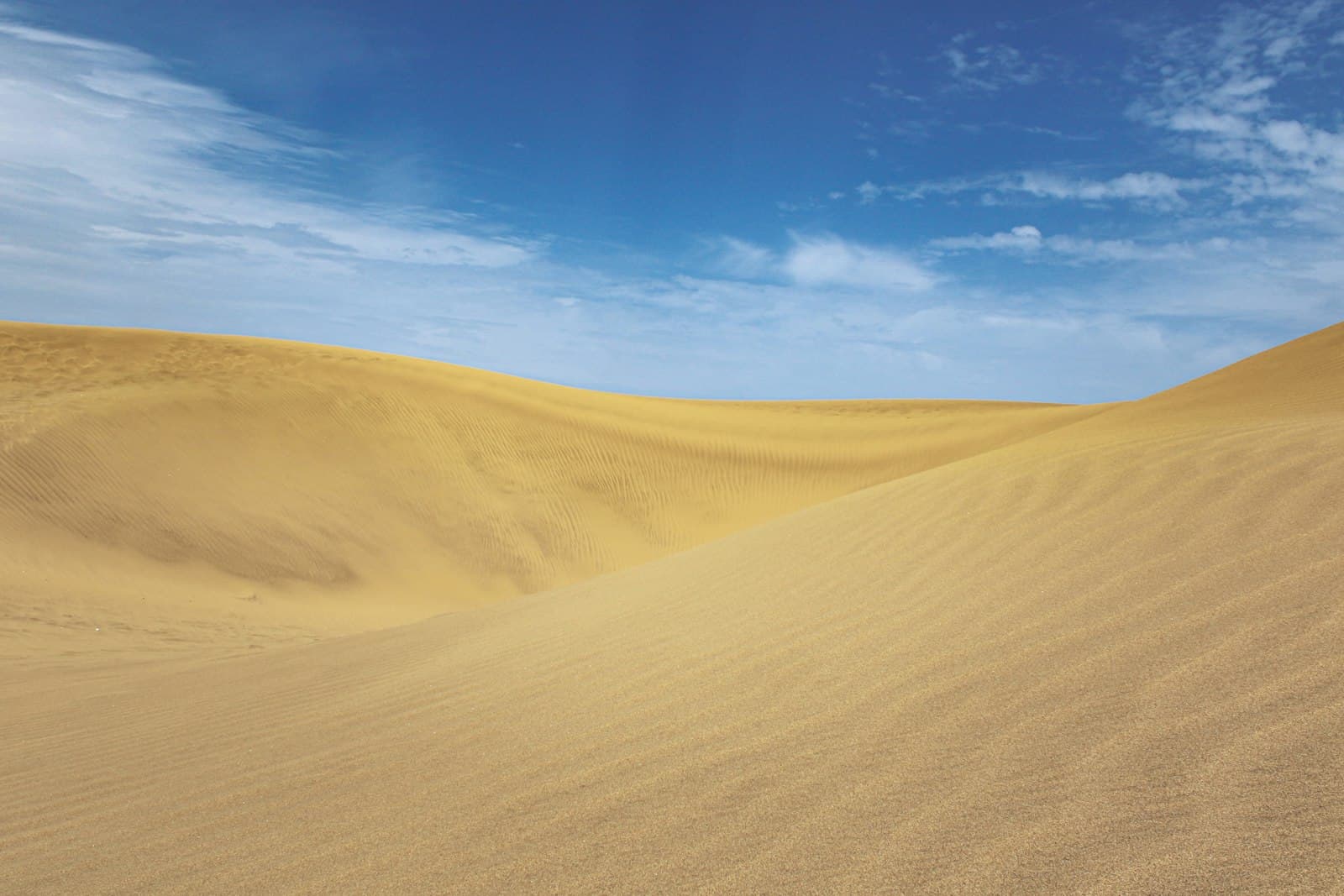
A field of moving sand behind the beach in the south, protected as a nature reserve since 1987 and covering about 400 hectares.
The important part: it is a living dune system, not a beach with sand behind it. The dunes shift, and the plants and birds in the lagoon at the western end depend on that being left alone. There are marked routes across it. Stay on them, and do not walk on the vegetated hollows, which is where the damage happens.
Sunrise and late afternoon are when it looks like the photographs. At noon it is a hot walk with no shade.
3. Tejeda and the centre
A village high in the middle of the island, surrounded by the ridges and rock formations that fill every photograph of the interior.
This is the part of Gran Canaria that visitors staying in the south often never see, and the contrast is the point. It is cooler up here, sometimes by ten degrees, and cloud can sit in the caldera all morning and clear by two.
The roads are steep and full of bends. It takes longer than it looks.
4. Puerto de Mogán
A small port on the south-west coast, built up around a marina with canals through it. It is engineered rather than ancient, and it does not pretend otherwise.
It is pleasant, sheltered and easy, and it is a good place to end a day of driving when nobody wants another walk. If your idea of a bad afternoon is a busy waterfront with restaurants, skip it.
5. Las Palmas and Playa de las Canteras
The city, and the beach in the middle of it. Las Canteras runs for about three kilometres along the front, sheltered by a natural rock bar offshore that keeps the water calm along much of its length.
It is a city beach used by people who live there, which makes it a different experience from a resort strip. The old quarter, Vegueta, is a short bus ride away and is where the island's history is.
Getting between them
The motorway runs around the coast and is quick. Everything in the middle is on mountain road, and that is where the time goes: Maspalomas to Tejeda is not far in kilometres and is a serious drive.
If you have one day for the interior, give it the whole day rather than treating it as an afternoon.
A note on the dunes
Maspalomas is the one place on this list where visitors do measurable harm without meaning to. The system loses sand, and walking on the vegetation that holds the hollows together is part of why. There are projects underway to move sand back. Keeping to the paths is a small thing that genuinely helps.