Five Must-See Places in Tenerife
Teide, Anaga, Masca, Garachico and La Laguna. What each one is, when to go, and what the drive is actually like.
"Must see" is a strong phrase, so here is the honest version. These are five places most people are glad they made time for, chosen because they are genuinely different from one another rather than five variations on the same view. All five are well known, which means parking, signs and other visitors. That is the trade.
1. Teide and Las Cañadas
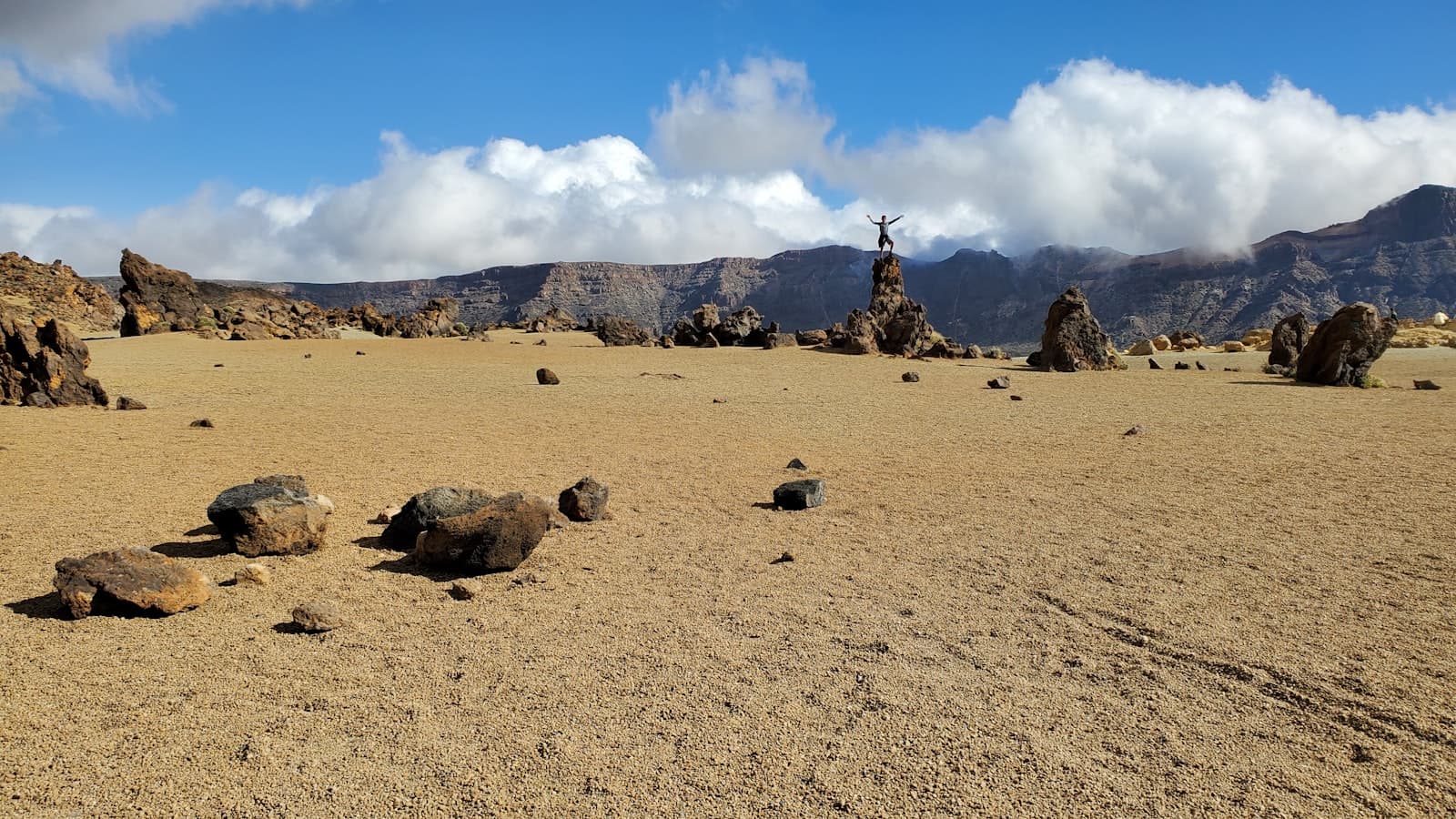
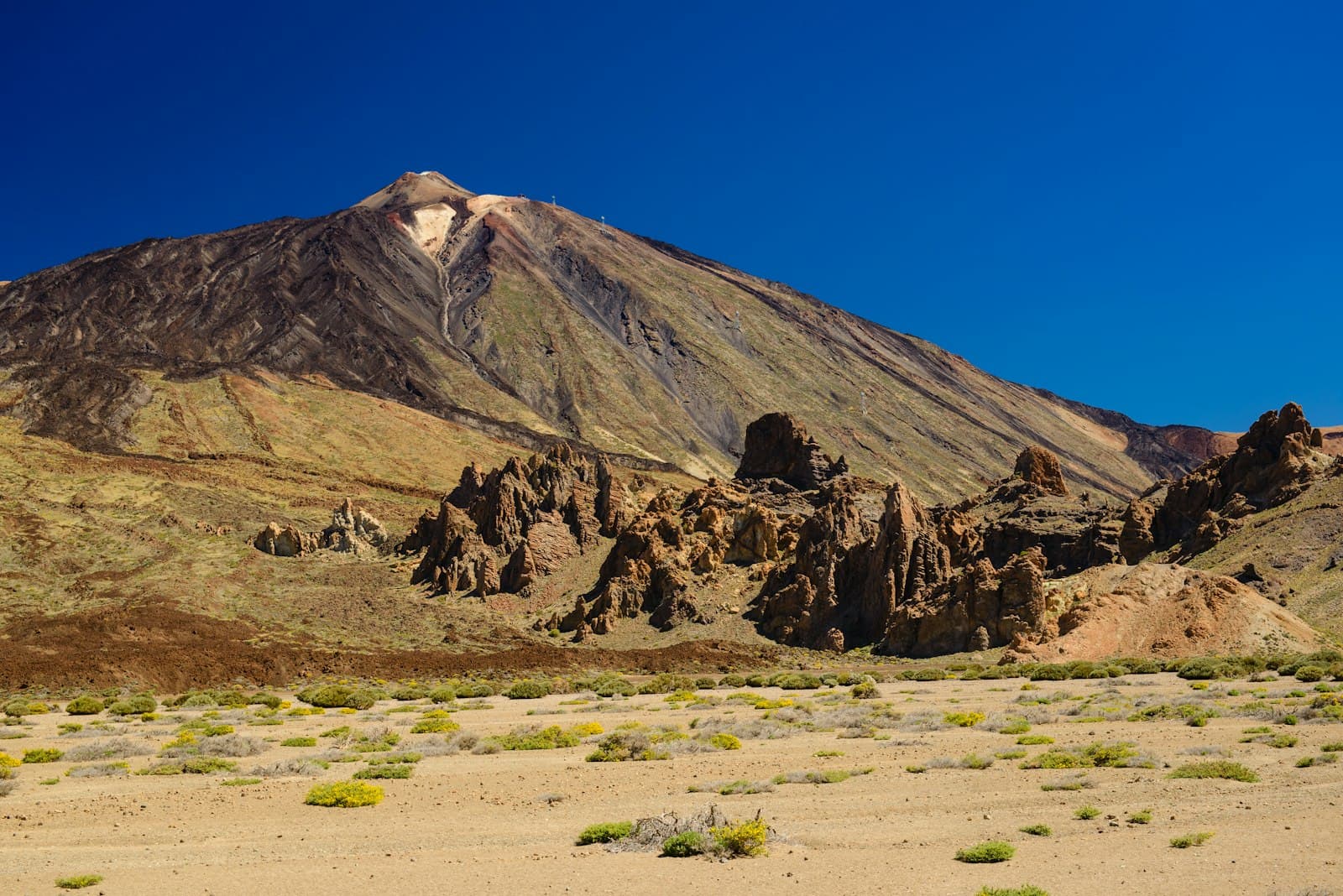
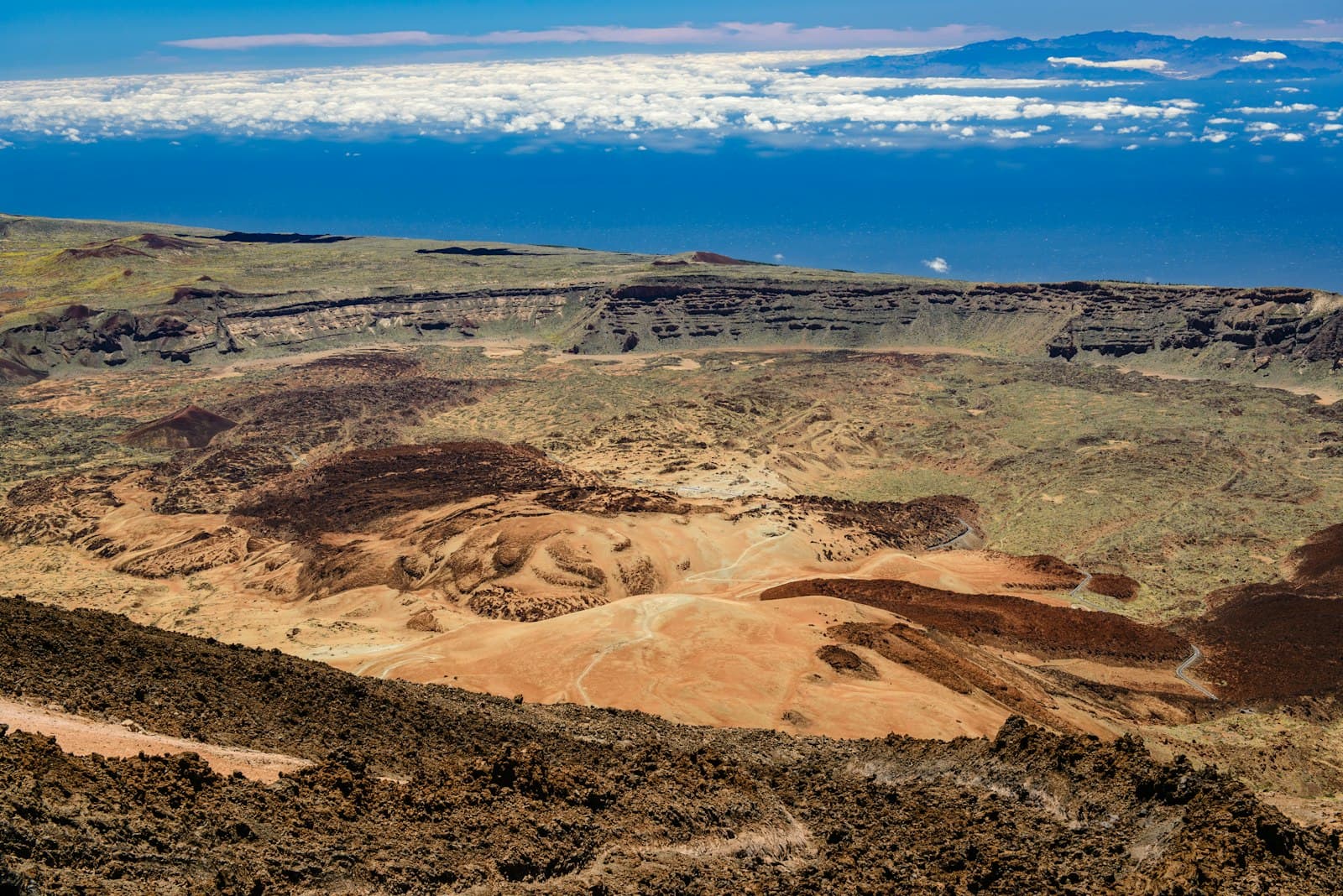
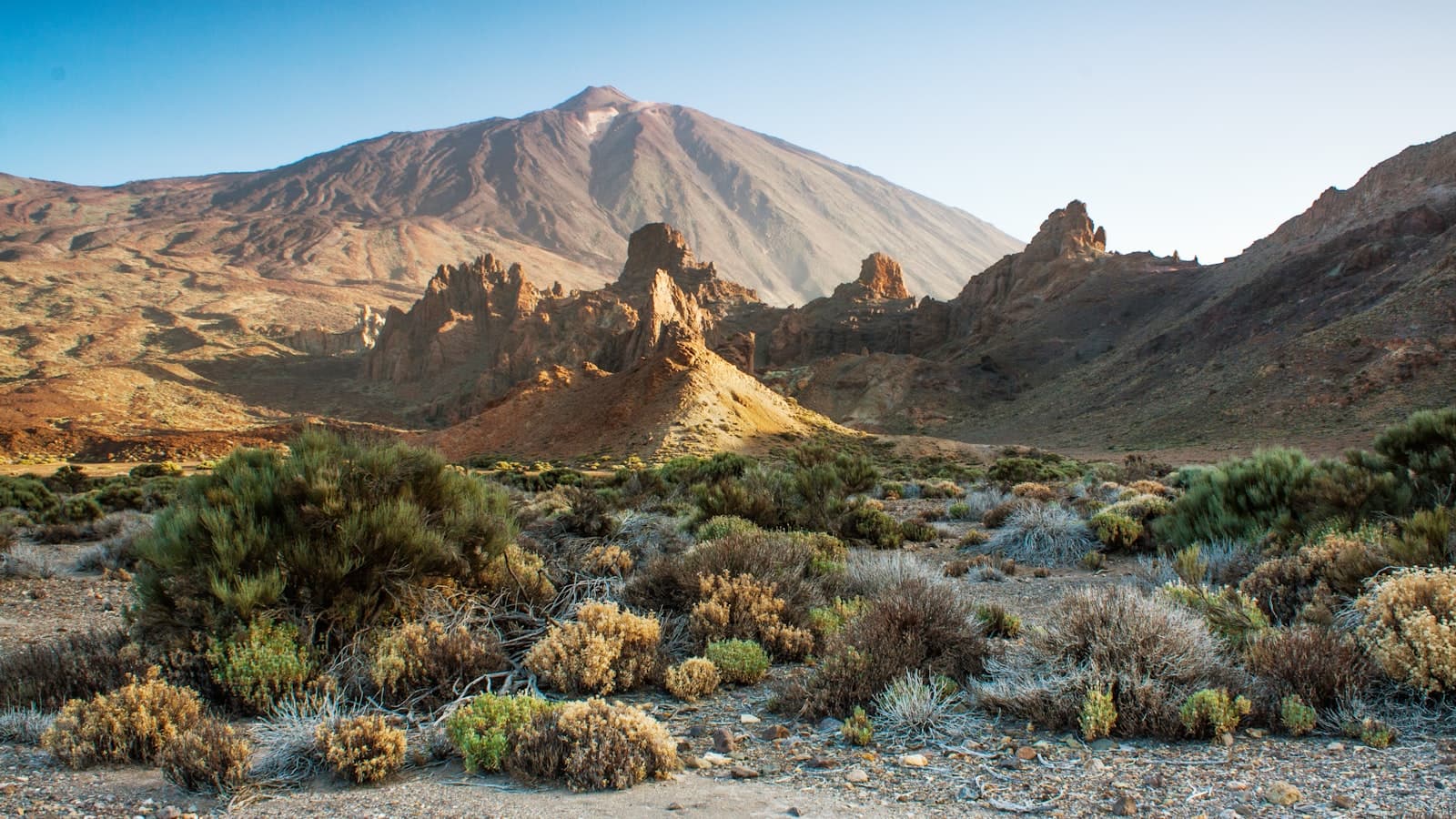
Teide is 3,715m, the highest point in Spain, and the crater plain around it is the part people underestimate. Las Cañadas is a caldera roughly 16km across, and driving into it feels like the landscape has changed islands.
Go early. Cloud usually builds from the north through the morning, and the road up from La Orotava often passes through it into sunshine above. The cable car takes you to about 3,555m, and the final walk to the summit itself needs a free permit booked in advance through the national park.
At that altitude it is cold and the air is thin whatever the coast is doing. People arrive in shorts and regret it.
2. Anaga
The north-east corner, and the oldest part of the island. Anaga is a rural park of steep ridges and deep valleys, covered in laurel forest that has been growing there since long before the last ice age.
The roads are narrow, slow and worth it. There are hamlets in there reachable only on foot, and paths that were the only way in and out for centuries. Cloud sits in the forest most mornings, which is the point rather than a problem: the trees drink it.
Fuel up before you go in. There is very little once you are past the ridge.
3. Masca
A village in a gorge on the west side, reached by a road with a great many bends. The setting is genuinely remarkable and the viewpoints along the way are the reason most people stop.
The walk down the barranco to the sea is controlled: access has been restricted, reopened and restricted again over the years, and when it is open it requires booking and a helmet. Check the current position before you plan a day around it, because the rules are enforced.
If you are prone to car sickness, this drive will find out.
4. Garachico
A town on the north coast with an unusual history. In 1706 a volcanic fissure sent lava through it and into the harbour, which at the time was the island's most important port. The town rebuilt on top of the flow.
What that left is a set of natural pools in the hardened lava, right at the edge of the town, plus a compact old centre that is pleasant to walk without being a museum. It is a good place to be in the afternoon.
5. La Laguna
The island's old capital, and a UNESCO World Heritage Site for its street plan. It was laid out in the late fifteenth century as an unwalled grid, and that layout was copied in a number of colonial cities in the Americas.
It is a university town, so it is busy in term time and quiet in August. If your idea of a good day is not another landscape, this is where to spend one.
Before you go
Two of these five sit at altitude or in the mountains, where the weather is not the weather at your hotel. Cloud at the coast can mean sunshine at 2,000m, and clear at the coast can mean fog in Anaga.
Access rules at Teide's summit and in the Masca barranco change, and both are enforced. Check them the week you go rather than trusting a blog post, including this one.
Everything here is on paths and roads meant for visitors. When you leave those, which is where most of the island's better places are, the rules are the ones you would expect: take your rubbish out, stay on the path, do not disturb what lives there, and remember that a lot of the land is private or is somebody's village.