The History of Teide, in Plain Terms
How a 3,715m volcano and the caldera around it came to be, what has erupted since records began, and whether it is dangerous now.
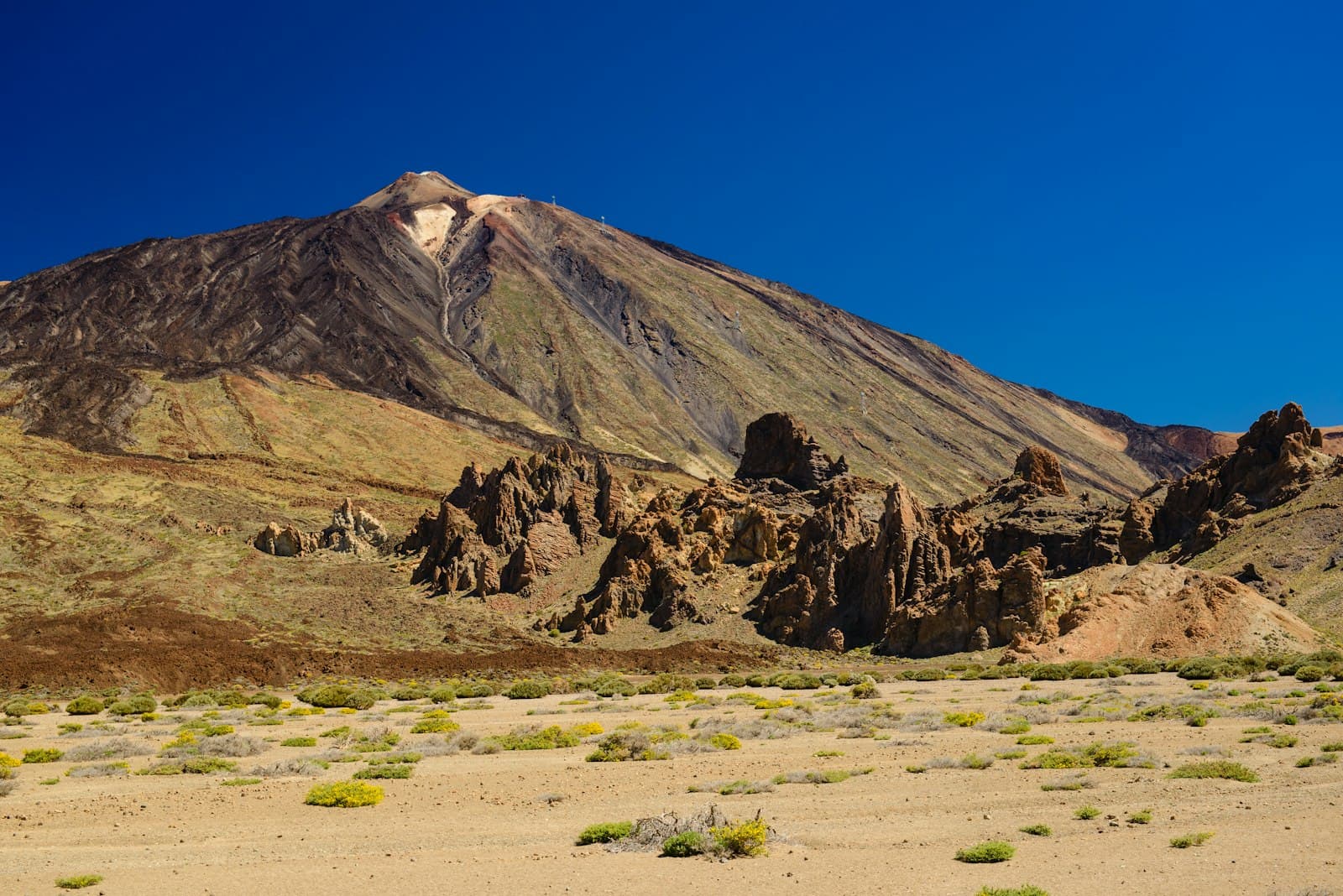
Teide is 3,715m, the highest point in Spain, and the third tallest volcanic structure in the world measured from its base on the ocean floor. It is also, in geological terms, young, active and still being watched.
Here is how it came to look the way it does.
The island came first, in three pieces
Tenerife did not start as one island. Three separate volcanic massifs rose from the seabed and grew independently: Anaga in the north-east, Teno in the north-west, and Roque del Conde in the south. They are the oldest ground on the island and, not coincidentally, the most eroded.
Later activity in the middle filled the gaps between them and joined the three into a single island. That is why the corners look ancient and the centre looks raw.
Las Cañadas and what happened to it
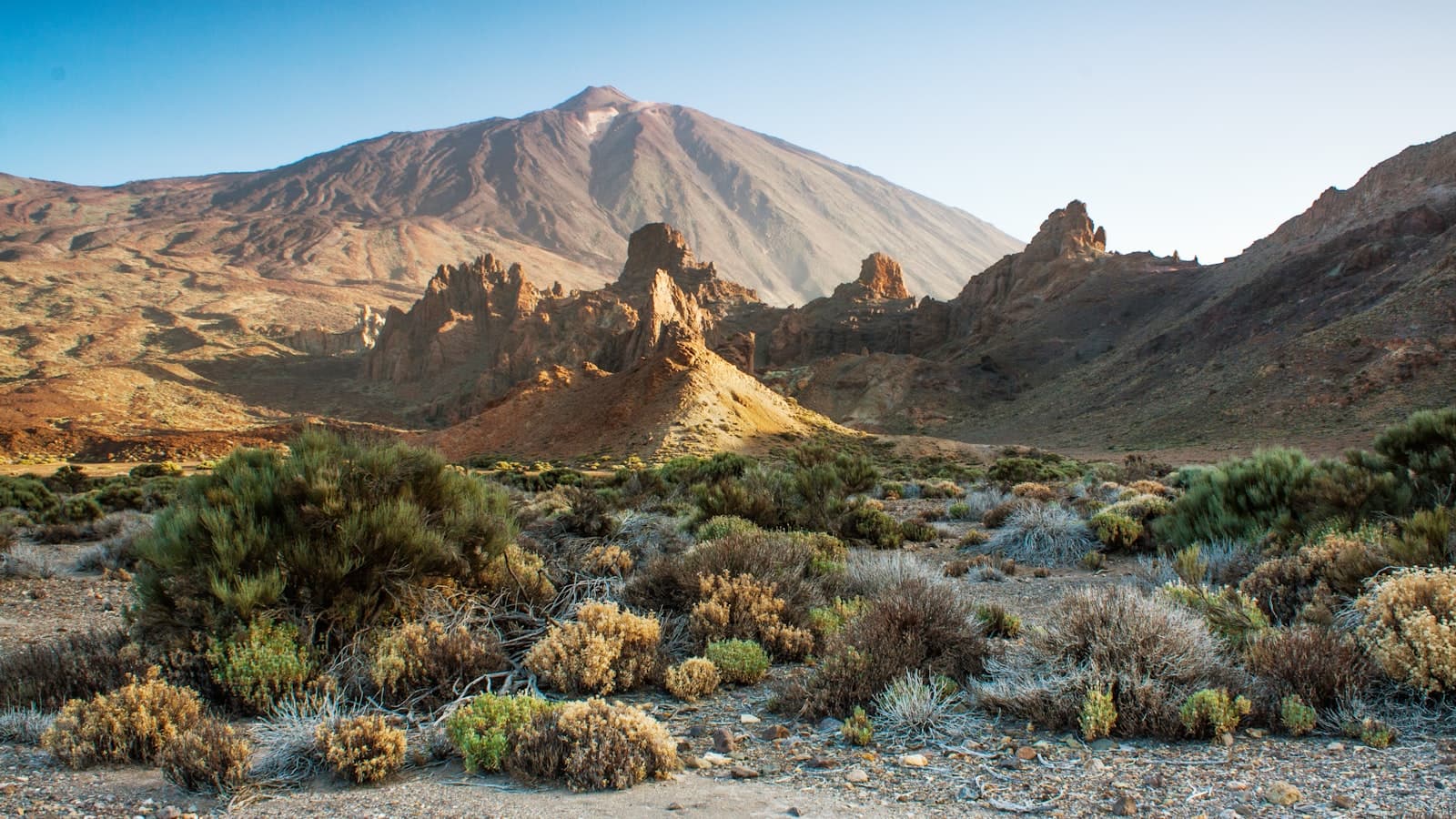
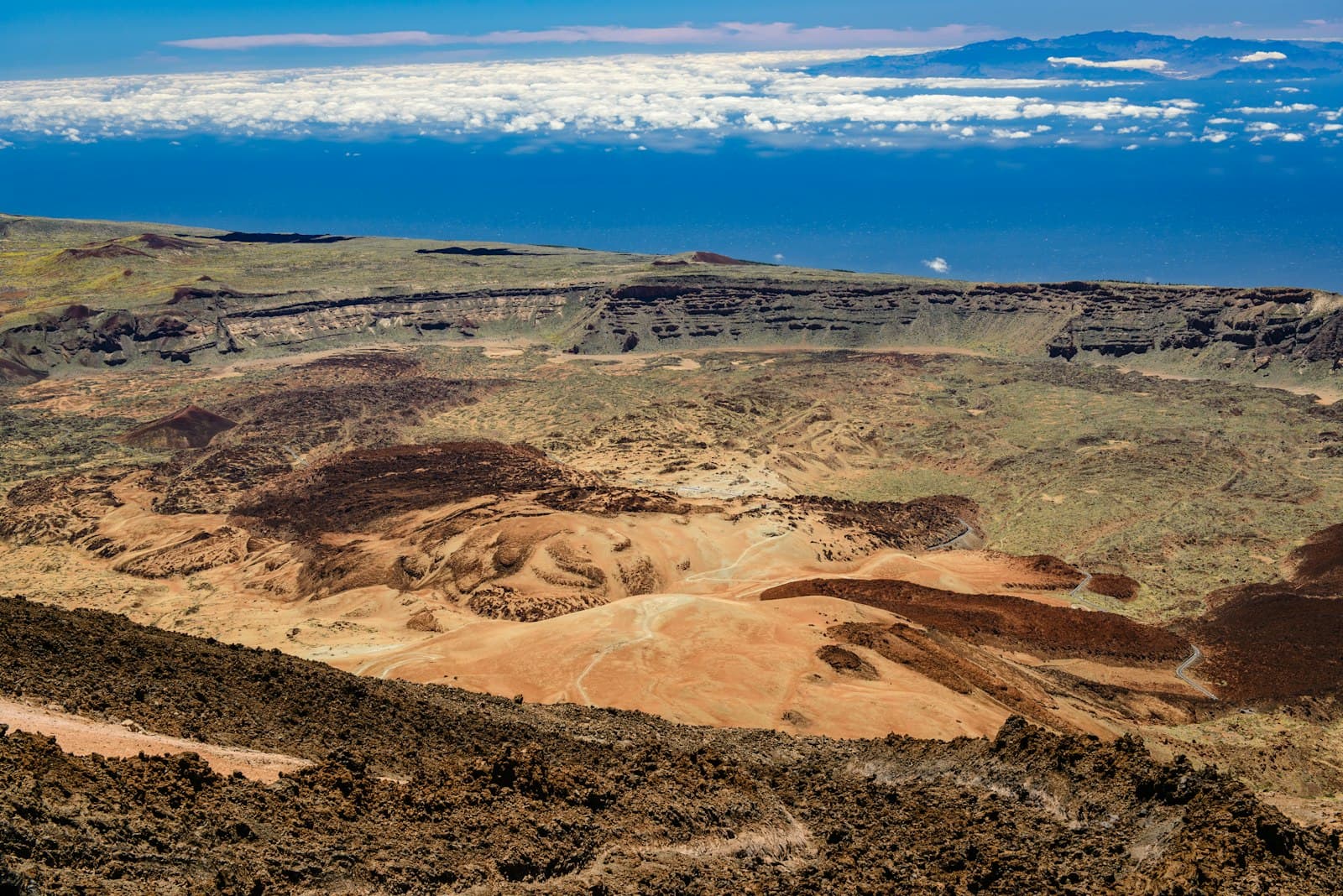
Before Teide there was a much larger volcano in the centre. What is left of it is Las Cañadas, the roughly 16km caldera that Teide now sits inside, with a wall on its southern side that in places rises hundreds of metres.
There are two long-standing explanations for how that caldera formed, and the disagreement is not settled. One is collapse: the volcano emptied its chamber and the roof fell in. The other is landslide: the flank gave way and slid into the sea, taking the summit with it. Evidence for enormous submarine landslides off the north coast supports the second, and many geologists now favour a combination.
Teide itself began building inside that space afterwards, along with its neighbour Pico Viejo.
The eruptions people wrote down
Tenerife's recorded eruptions are mostly not from Teide's summit. They come from vents on the flanks and along the rift zones.
The longest on record began on 9 June 1798 at Pico Viejo, on the edge of what is now the national park, and ran until 8 September. It tore a gash in the south-western flank and threw fragments of magma more than a kilometre into the air. The field it left is still bare and is one of the more striking things you drive past.
The most recent eruption on the island was Chinyero, on 18 November 1909, in the north-west. It built a scoria cone about 80m high and dropped ash and lapilli across the northern part of the island. Nobody was killed.
Teide's own summit last erupted around 1798 or earlier depending on which vents you count, and the summit crater still emits sulphurous gas, which you can smell at the top.
Is it dangerous now?
It is an active volcano and it is monitored continuously, which is the honest answer to both halves of that question. There is no eruption forecast and there are no signs of one, and there is also no serious volcanologist who would describe it as extinct.
The islands have had eruptions in living memory. La Palma's Cumbre Vieja erupted for nearly three months in 2021 and destroyed a great deal. That is the archipelago behaving normally rather than something going wrong.
What that means if you go up
The national park covers the caldera and the peak. The cable car runs to about 3,555m, and going the last stretch to the summit needs a free permit booked in advance, with numbers limited each day.
At that height the air holds about a third less oxygen than at sea level, and people who walk up from the cable car station too quickly feel it. It is also cold and the ultraviolet is strong, whatever the coast is doing.
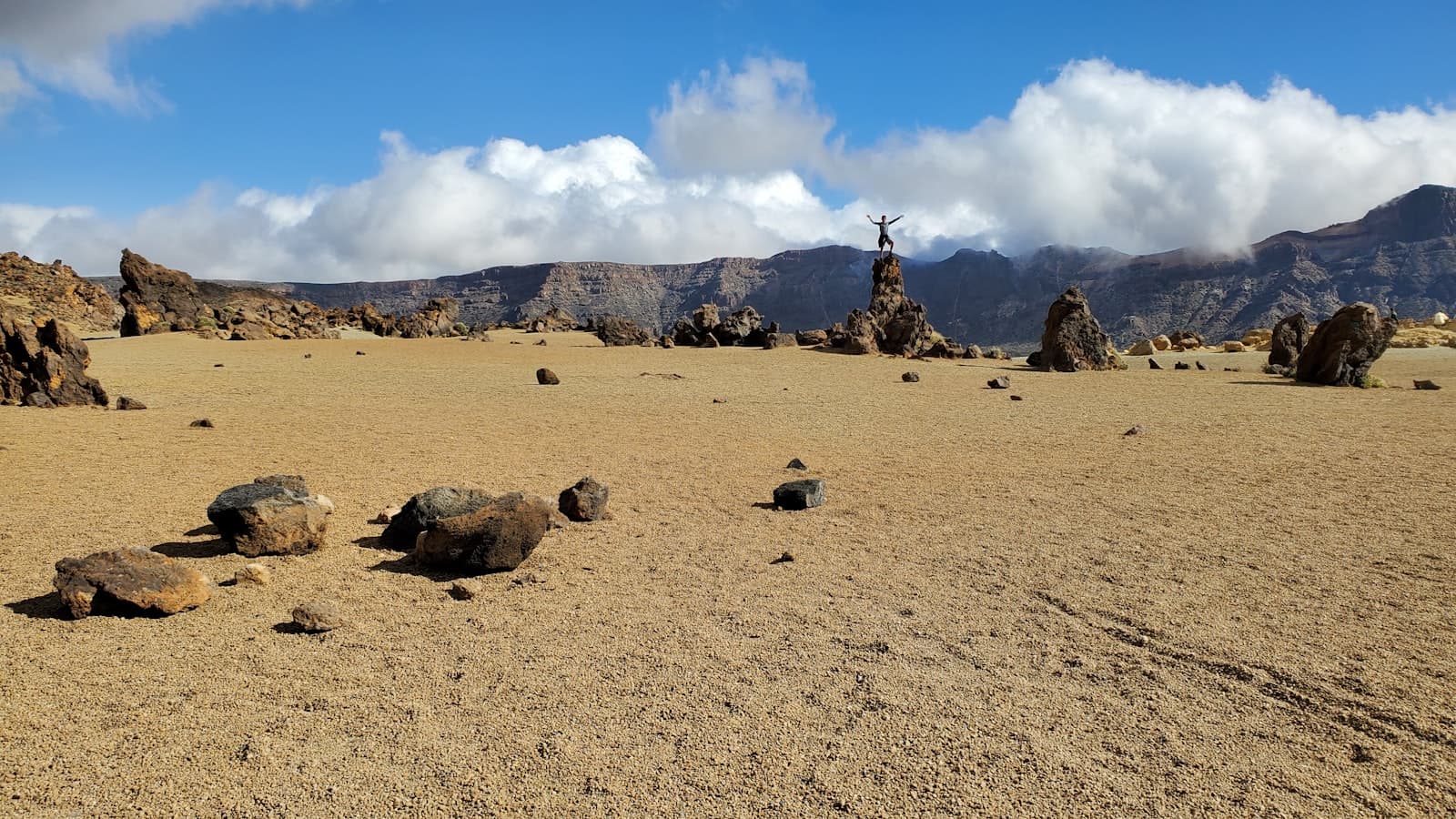
The ground inside the caldera is a protected landscape, and much of what looks like plain rubble is slow-growing and easily damaged. Stay on the paths, take everything out with you, and do not take rocks. That last one is asked often enough that the park says it explicitly.