Tenerife's Best Viewpoints, and the Right Time of Day for Each
The island has more miradores than almost anywhere in Europe. Which ones earn the drive, and why a grey morning on the coast is often the best reason to go up.
Tenerife is 2,000 square kilometres of volcano, and almost all of it is uphill. That geography produces something the island has more of than almost anywhere in Europe: places where you can stand still and see forty kilometres.
The Spanish call them miradores. Some have car parks and coach tours. The ones worth your morning generally do not.
The Ones Everyone Sees
Two viewpoints appear on every itinerary, and both earn it.
Mirador de Humboldt, above the Orotava valley, looks down over terraced farmland to the sea with Teide behind you. Alexander von Humboldt stopped here in 1799 and wrote about it, which is why it carries his name.
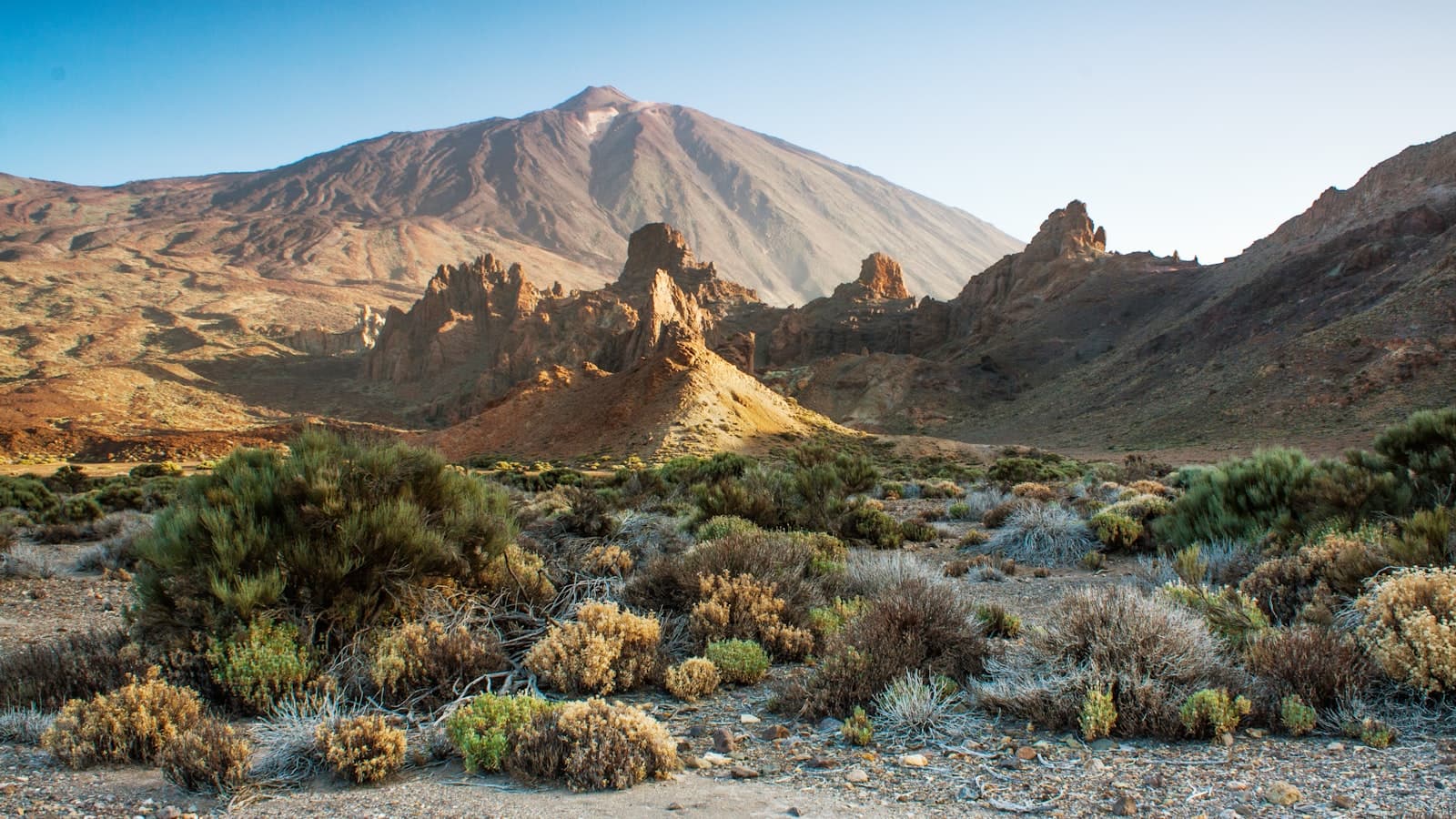
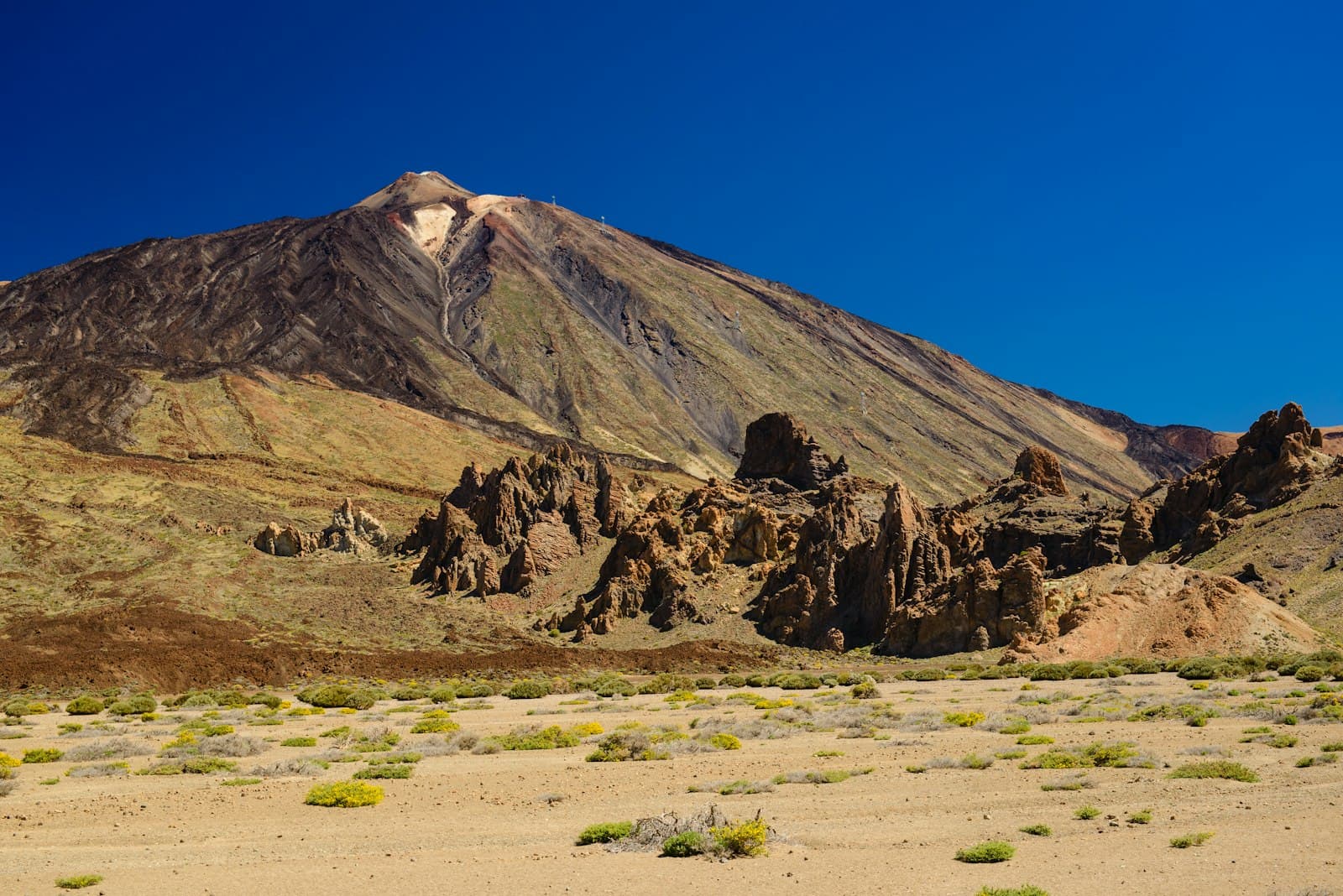
Roque Nublo, on Gran Canaria, gets more attention, but Tenerife's equivalent moment is the first time the road out of the pine forest opens into Las Cañadas and the caldera appears all at once. It is not a mirador so much as a change of planet.
Go early. Both are on coach routes, and the difference between 8am and 11am is the difference between silence and a queue for the railing.
The Ones Worth the Detour
Anaga
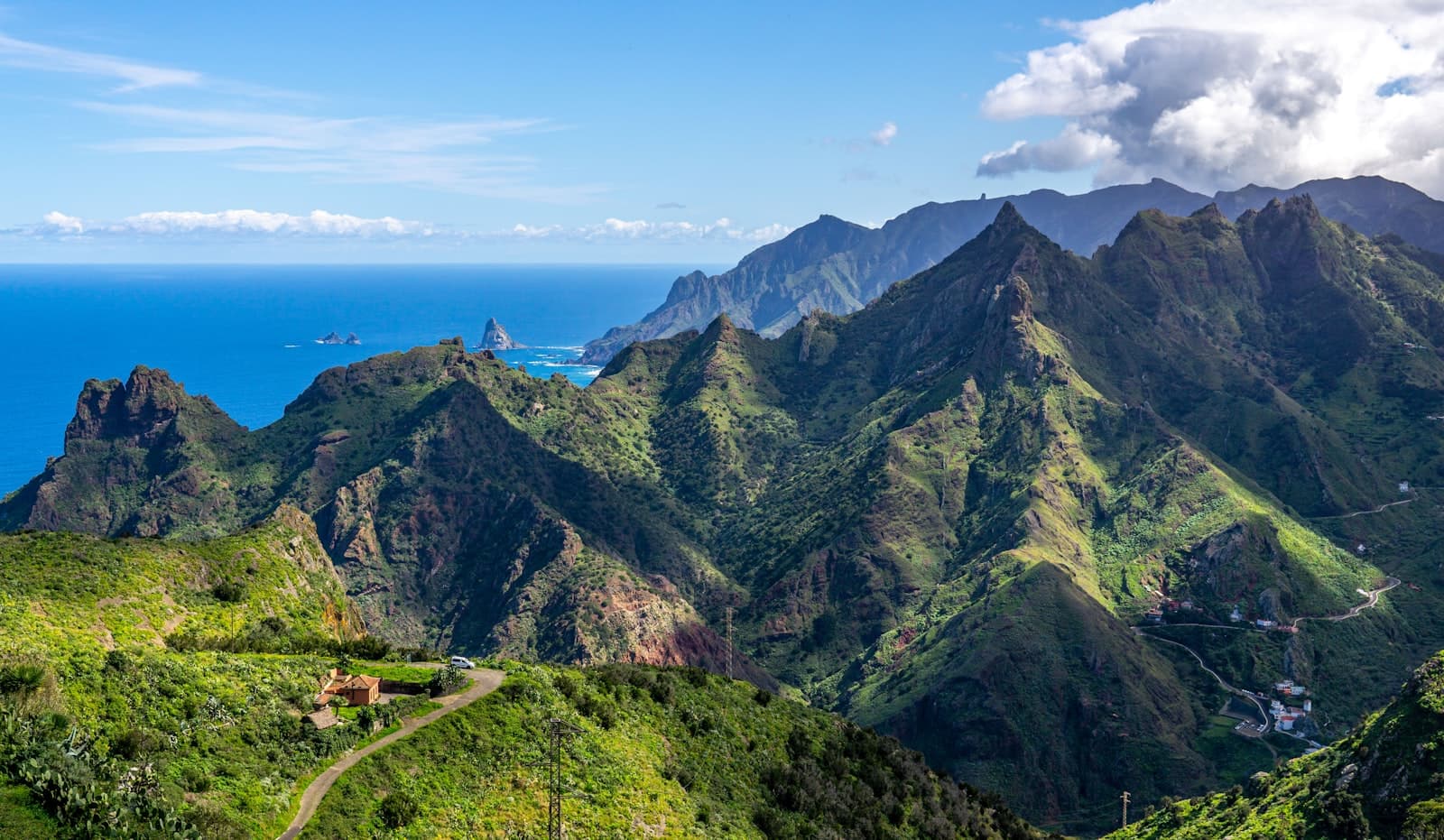
The Anaga massif in the north-east is the oldest part of the island and the most rewarding to drive. Mirador Pico del Inglés looks over laurel forest that has existed since before the last ice age, and on a clear day across to Gran Canaria.
Mirador Cabezo del Tejo requires a short walk from the road and rewards it with a view down onto Benijo and the sea stacks.
The Anaga roads are narrow, steep and slow. Budget twice the time your map application suggests, and take the drive as the point rather than as the transit.
Teno
The west end of the island is drier and more severe. Mirador de Cherfe looks down into the Masca valley, the gorge that runs from the village to the sea, one of the most photographed places on Tenerife.
Punta de Teno, at the very western tip, has a lighthouse, a view back along cliffs that rise a kilometre out of the water, and restricted road access at busy times. Check before you drive.
The Cliffs
Mirador de Archipenque gives the classic view of Los Gigantes: sheer basalt walls falling straight into the Atlantic. Late afternoon light hits them directly, which is when to be there.
When to Go
Tenerife's viewpoints are governed by cloud, and cloud here is predictable in a way weather usually is not.
The sea of clouds
Trade winds push moisture against the north side of the island, where it stacks up and stops at around 1,000–1,500 metres. Below that line, the north can be grey all day. Above it, you are in sunshine looking down at the top of the cloud layer.
This means a grey morning in Puerto de la Cruz is often a spectacular morning at altitude. Do not cancel the drive because it looks overcast from the coast. That is the phenomenon.
Light
East-facing viewpoints in the morning; west-facing in the late afternoon. Anaga is best early. Teno and the Los Gigantes cliffs are best in the last two hours of daylight.
Wind
Exposed miradores at altitude get genuinely strong wind. Take a layer even in August, especially anywhere above the cloud line, where the temperature can be fifteen degrees lower than the coast.
Driving to Them
Most of the best viewpoints are reached on mountain roads with hairpins, no barrier and oncoming traffic. None of it is difficult if you are unhurried; all of it is unpleasant if you are late.
Fuel up before going into Anaga or Teno. There is very little once you are in.
Finding the Right One
The viewpoint that is spectacular at seven in the evening can be inside a cloud at nine in the morning. CanaryMaps records exact coordinates, what each one looks at, and which way it faces, so the drive is planned around the light rather than against it.