Ten Facts About Tenerife Worth Knowing
The highest point in Spain, an island that was once three, a forest older than the ice age, and why so little of it is beach.
Some of these are the kind of thing that changes how you plan a trip. Some are just good to know. All of them are checkable, which is more than can be said for most lists like this.
It holds the highest point in Spain
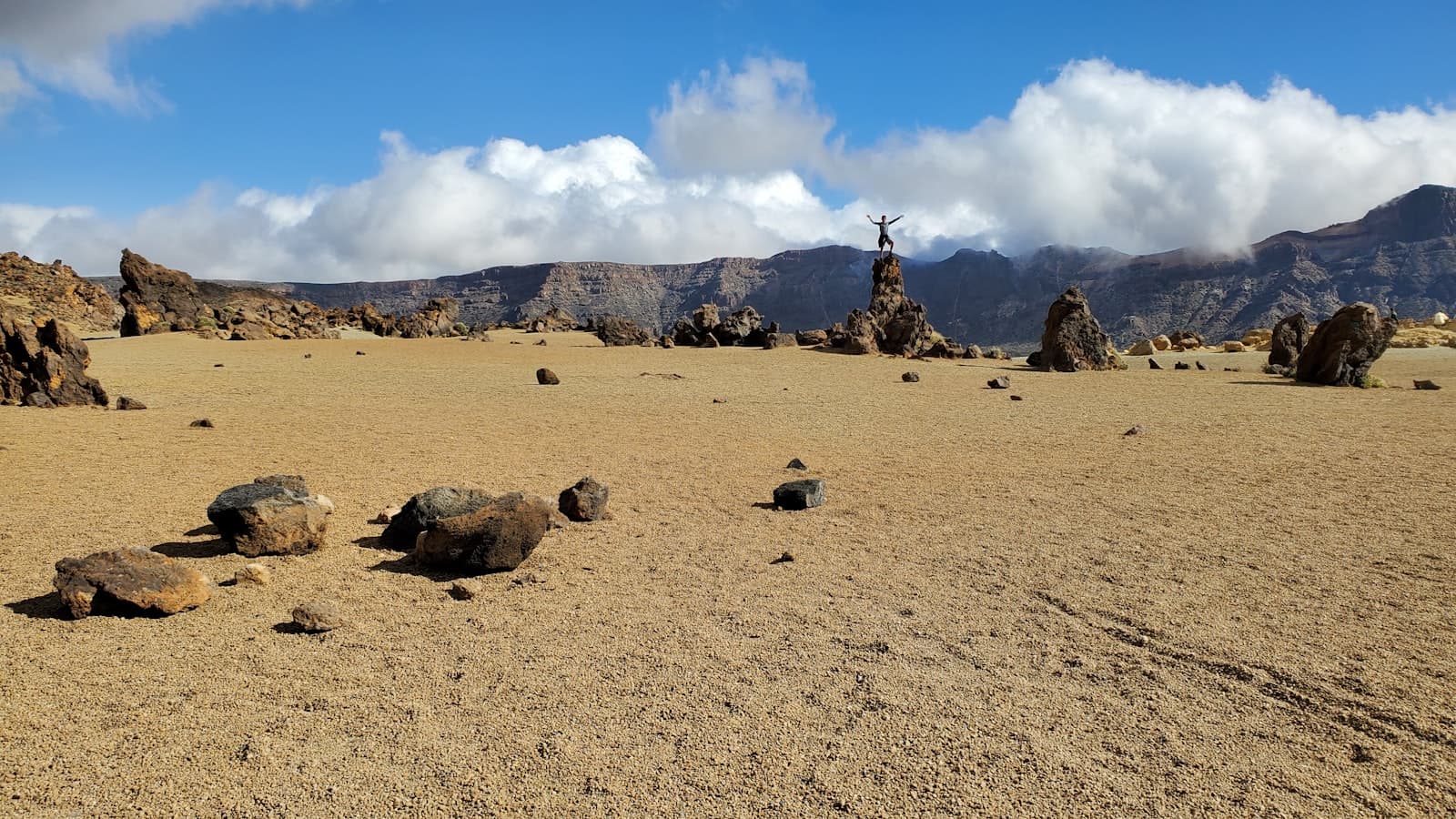
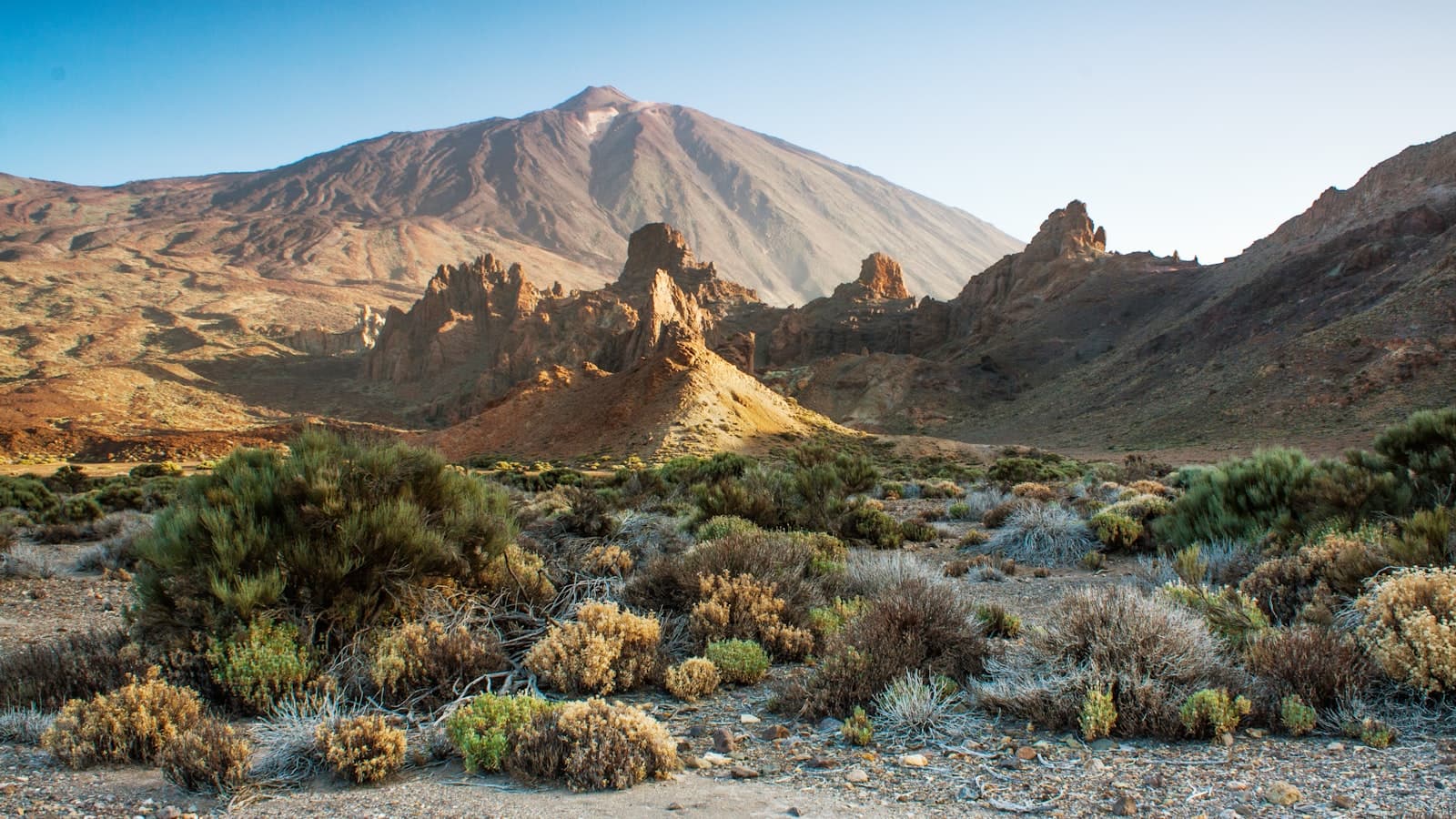
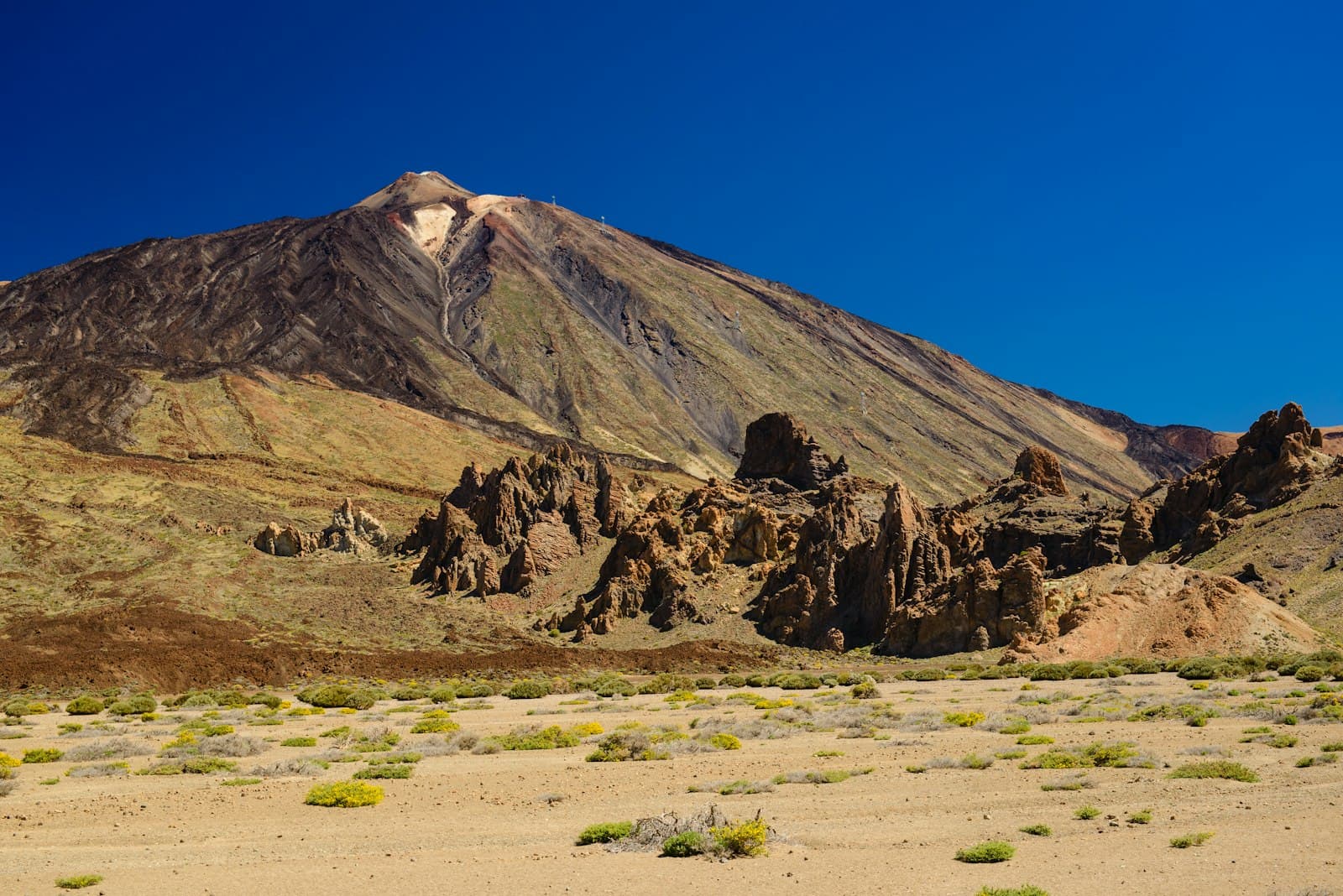
Teide is 3,715m. Not the highest in the Canaries, the highest in Spain, higher than anything on the mainland including the Pyrenees and the Sierra Nevada.
Measured from its base on the ocean floor rather than from sea level, it is the third tallest volcanic structure in the world.
The island is three islands that grew together
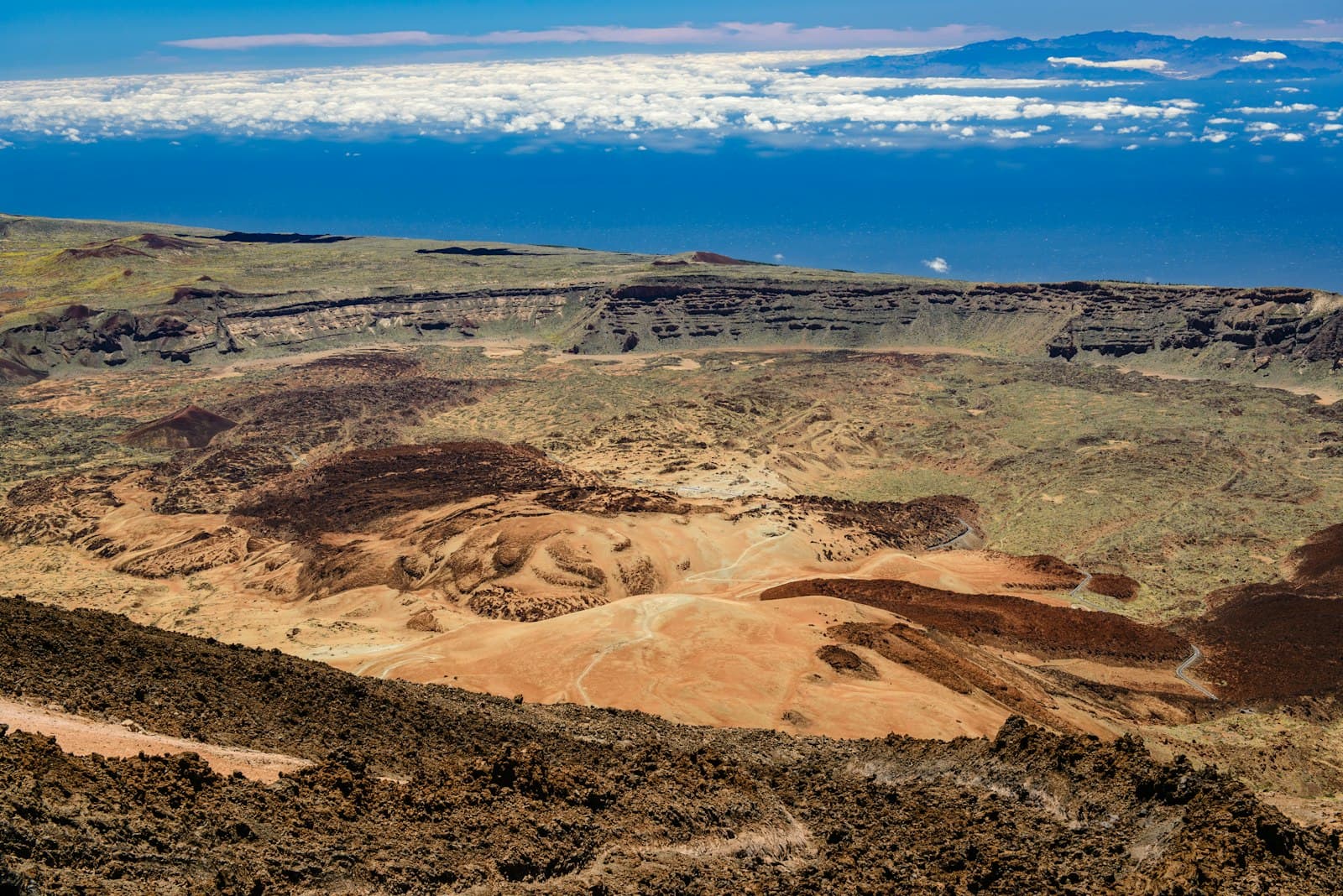
Tenerife began as three separate volcanic massifs: Anaga in the north-east, Teno in the north-west, and Roque del Conde in the south. Later eruptions in the middle filled the gaps and joined them into one landmass.
This is why the corners of the island look old and worn while the centre looks freshly made. They are, by several million years.
The last eruption was in 1909
Chinyero, in the north-west, on 18 November 1909. It built a cone about 80m high and dropped ash across the north. Nobody died.
Teide is active and monitored, not extinct. There is no eruption expected, and there is also no scientist who will tell you it is finished.
A forest here predates the last ice age
The laurel forest in Anaga is a survivor of a subtropical forest that covered much of southern Europe and North Africa millions of years ago. The climate there changed. On these islands it did not, so the forest is still standing.
It lives on the cloud the trade winds push against the northern slopes. It does not need much rain because it drinks fog.
The old capital was designed to be copied
La Laguna was laid out in the late fifteenth century on an unwalled grid, unusual for the time. That plan was used as a model for a number of colonial cities in the Americas, and it is why the town is a UNESCO World Heritage Site.
There were people here before the Spanish
The Guanches lived on Tenerife for something like two thousand years before the Castilian conquest ended in 1496. They were of North African Berber origin, they kept goats, and they lived in caves and stone dwellings.
The conquest, and the diseases that came with it, ended them as a distinct people. Their language survives mostly in place names, which is why so much of the map does not sound Spanish: Anaga, Taganana, Guajara, Abona.
The whistled language is on a different island
Silbo Gomero, the whistled language, is from La Gomera rather than Tenerife. It is worth knowing because it gets attributed to Tenerife constantly.
The north and south are genuinely different climates
Not marketing. The trade winds come from the north-east, hit the island, rise, cool and drop their moisture on the northern slopes. The north is green and often cloudy. The south is dry and reliably sunny.
You can drive between them in under an hour and change the weather entirely.
The sea is colder than the latitude suggests
Tenerife sits at about the same latitude as the Sahara, and the sea is not warm in the way that suggests. The Canary Current brings cool water down from the north, which keeps summers mild and winters warm, and makes January swimming a matter of temperament.
Sea temperatures run roughly 19°C in late winter to 24°C in late summer.
Very little of the island is beach
The coastline is mostly cliff and rock. Sand is the exception rather than the rule, and a good deal of the pale sand in the south was imported. The natural stuff is black and volcanic, and there is less of it than the brochures imply.
That is worth knowing before you plan a week around beaches.