What Makes the Canary Islands Special?
Seven islands that are genuinely unalike, one wind that explains the weather, and a forest that should not still exist.
The Canaries get described as year-round sunshine off the coast of Africa, which is true and explains almost nothing. Here is what actually makes them unusual.
They are young, and still being made
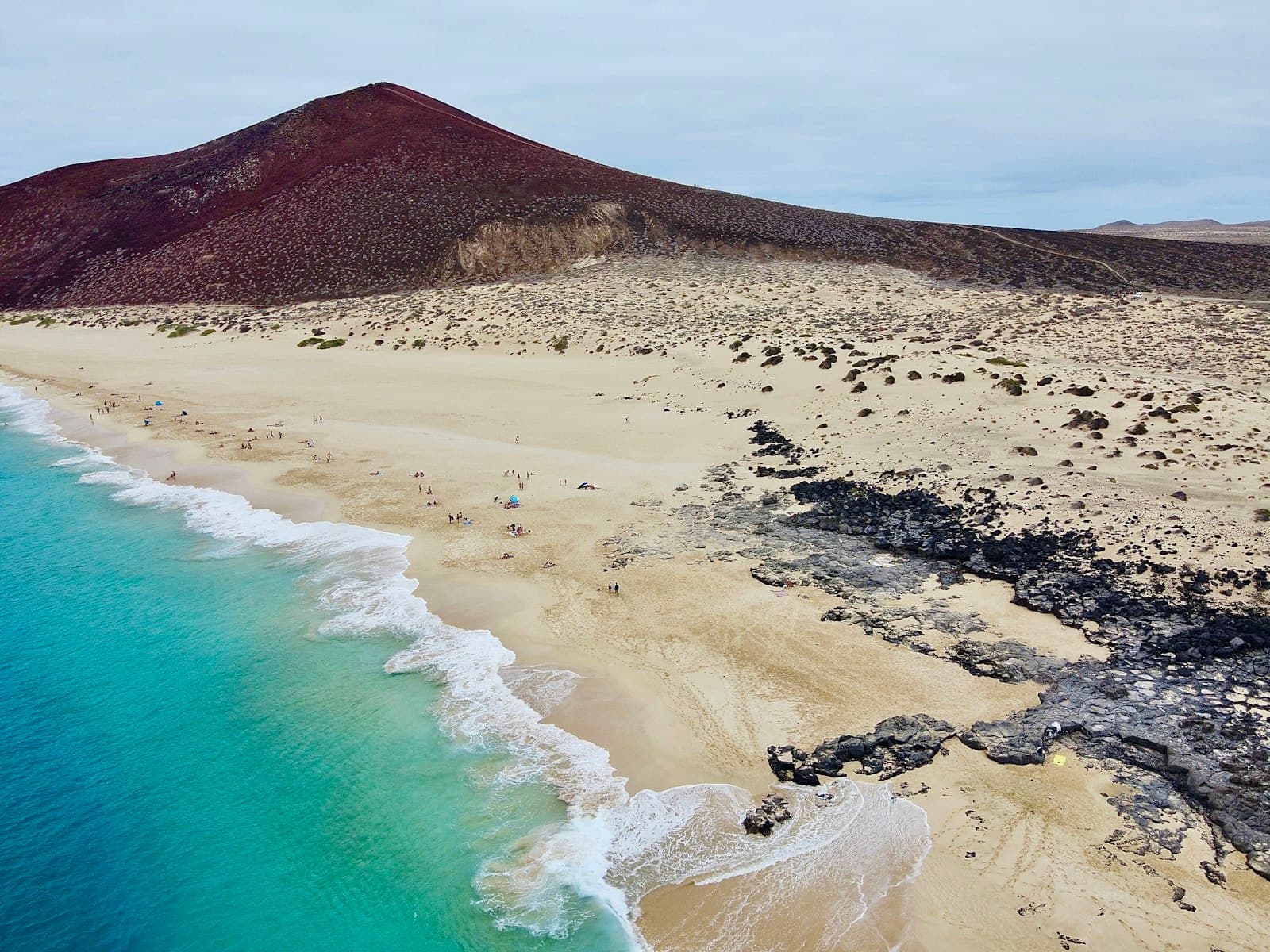
These are volcanic islands built up from the ocean floor, and the process is not finished. La Palma's Cumbre Vieja erupted for close to three months in 2021 and added new land where the lava met the sea. Tenerife's last eruption was in 1909, El Hierro had a submarine eruption offshore in 2011.
That is not a warning. It is the reason the landscape looks like it does: raw in places, ancient in others, and different on every island depending on when it was last resurfaced.
Seven islands that are not variations on a theme
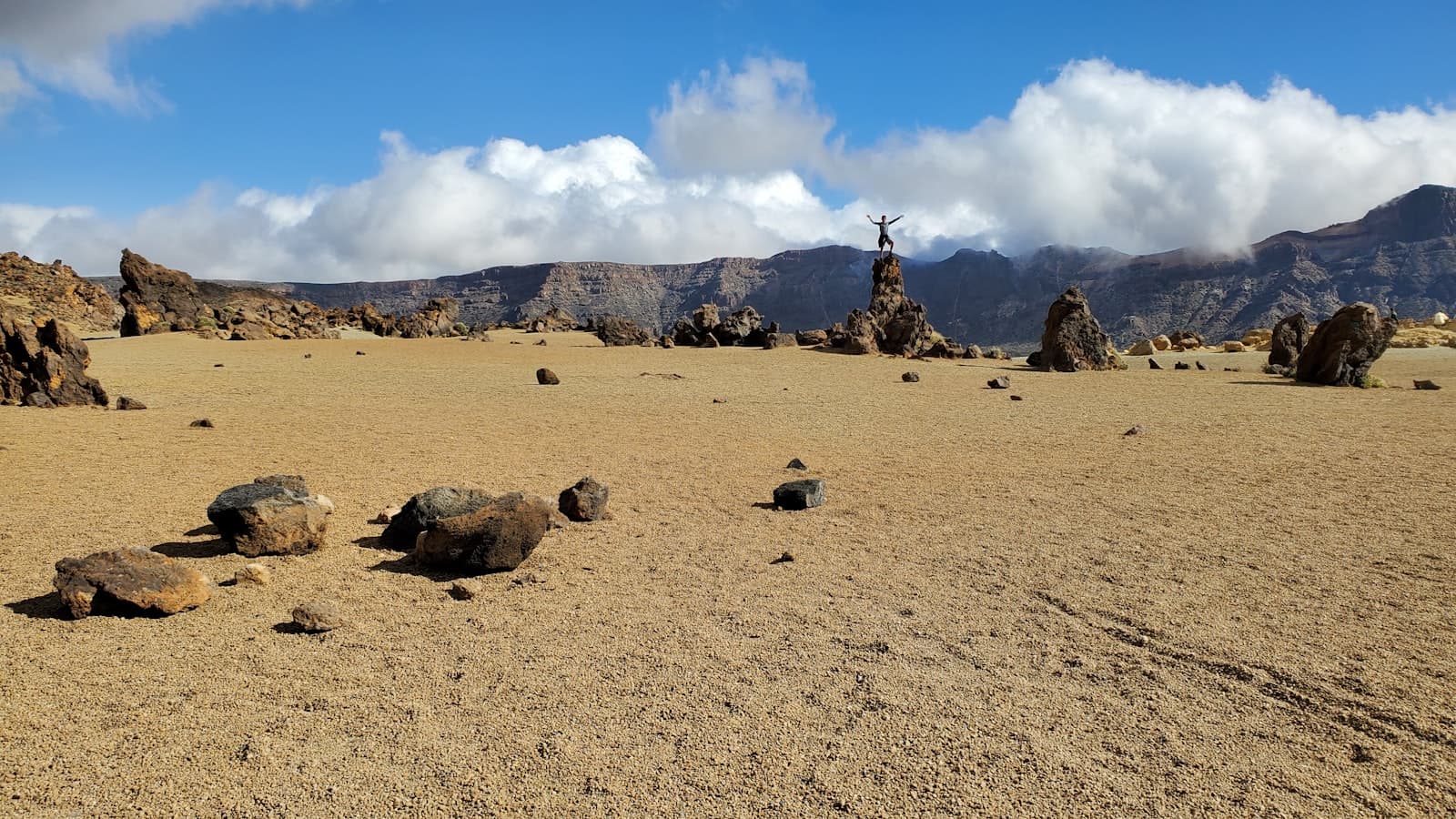
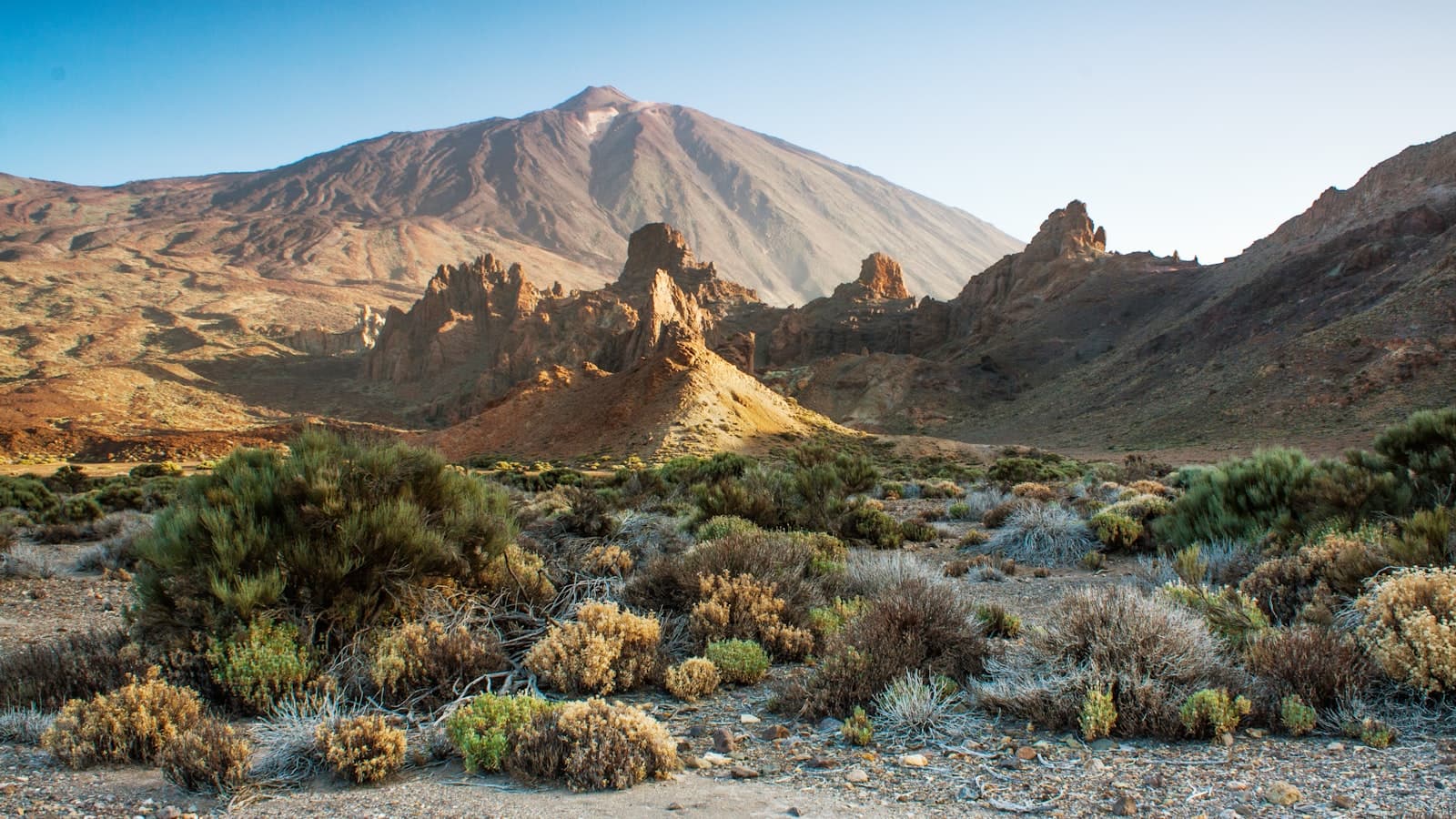
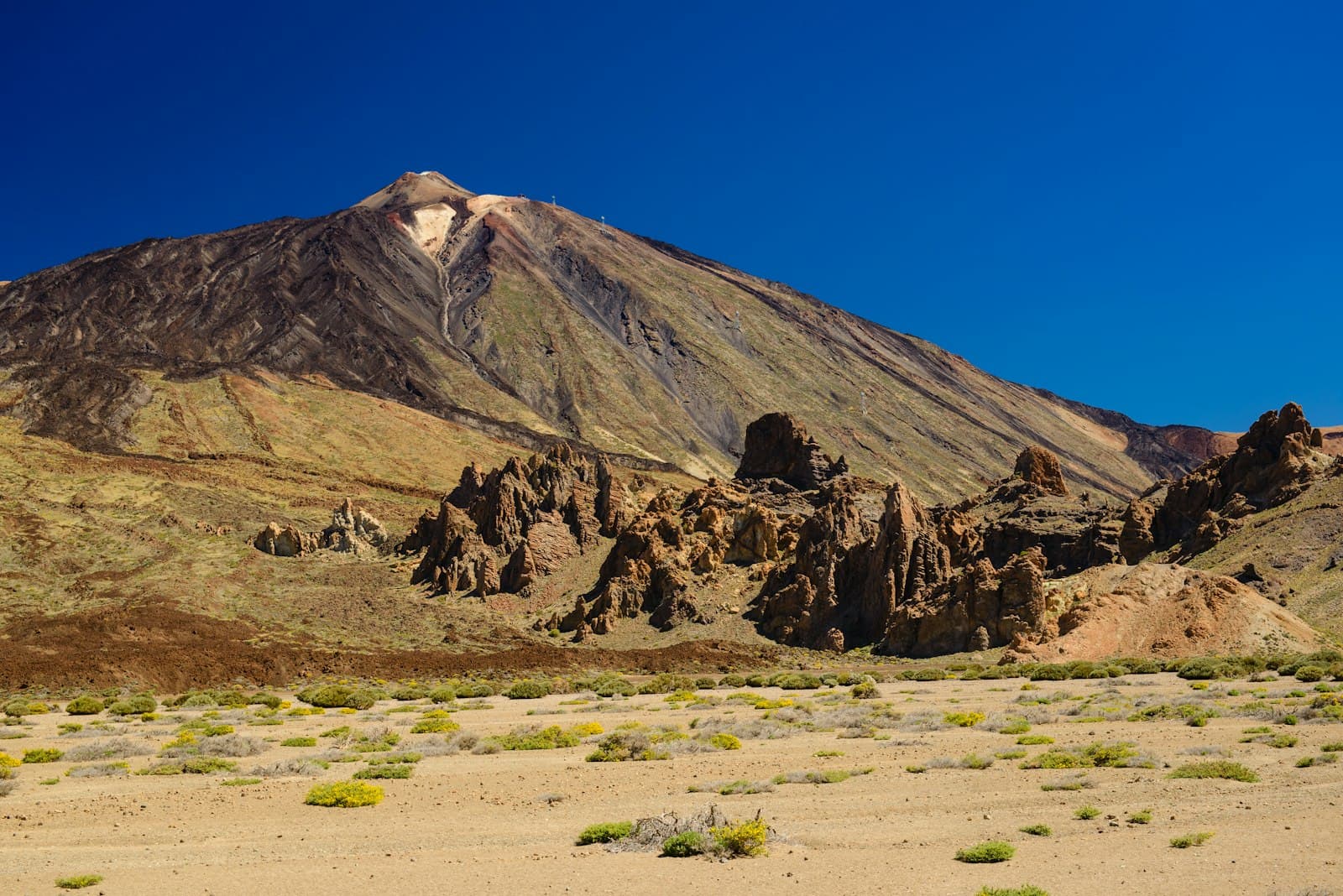
Lanzarote is ash fields and vines grown in hollows. Fuerteventura is old, flat and enormous-skied. Tenerife has a 3,715m mountain with a cloud forest on one side and desert on the other. La Gomera is a wheel of ravines with a laurel forest in the middle. La Palma is steep and green with an observatory on top. El Hierro is small and quiet and runs largely on wind. Gran Canaria manages dunes and pine forest within an hour of each other.
They are close together and genuinely unalike, which is unusual for an archipelago.
One wind explains most of the weather
The north-east trade winds blow across the Atlantic and hit these islands from the same direction nearly all year. The air rises over the high ground, cools, and drops its moisture on the northern slopes.
So every island with real height has a green, cloudy north and a dry, sunny south, and you can drive between the two in an hour. It also produces the sea of clouds, the layer that sits against the northern slopes and that you drive up through into sunshine.
A forest that should not still exist
Laurisilva, the laurel forest of Garajonay on La Gomera, Anaga on Tenerife and Los Tilos on La Palma, is a survivor. This kind of subtropical forest covered much of southern Europe and North Africa millions of years ago. The climate there changed and it died out.
Here the trade winds kept conditions steady, so it is still standing. It lives on fog rather than rain, which is why it is so often in mist. Garajonay has been a UNESCO World Heritage Site since 1986.
An extraordinary amount lives only here
The islands are far enough from the mainland that species arrived rarely and then evolved in isolation. El Hierro alone has over a hundred species found nowhere but that island.
This is also why the stewardship matters more than it would somewhere with a big mainland to restock from. An endemic plant on one ridge is genuinely all there is.
There were people here first
The Guanches and their equivalents on the other islands lived here for roughly two thousand years before the Castilian conquest finished in 1496. They came from North Africa, and their language survives mostly in place names. Anaga, Timanfaya, Tamaduste, Teide itself.
It is worth knowing when you look at the map, because a lot of it is not Spanish.
The dark sky
La Palma has been a UNESCO Starlight Reserve since 2011, the first in the world, and the islands have lighting laws to protect the observatories. On a clear night at altitude the sky is as good as almost anywhere accessible in Europe.
What follows from all this
Mostly that these are working islands with fragile parts, not a resort with a landscape attached. People live in the villages at the end of the roads, the terraces on the hillsides were built by hand, and a lot of the best places are quiet because they are hard to reach.
Which is worth remembering when you find one. Take the rubbish out, stay on the path, do not disturb what lives there, and leave it as you found it.