Five Beaches Worth Visiting in the Canaries
One city beach, one that is nearly unreachable, and three in between. Plus how to read a Canary beach before getting in.
Five beaches, one per island where possible, chosen because they are different from each other rather than five versions of the same stretch of sand. Some are easy. Two are not, and are on the list anyway with the reasons stated.
Water temperature across the archipelago runs from roughly 19°C in late winter to 24°C in late summer, so "warm" is relative and January swimming is a matter of temperament.
1. Playa de las Canteras, Gran Canaria
A three-kilometre city beach in the middle of Las Palmas, sheltered along much of its length by a natural rock bar offshore called La Barra. That bar is why the water is calm here when the coast either side is not.
It is used by people who live in the city, which makes it a completely different experience from a resort strip: swimmers doing lengths, families, surfers at the far end where the bar stops.
Easy, central, and the safest swim on this list.
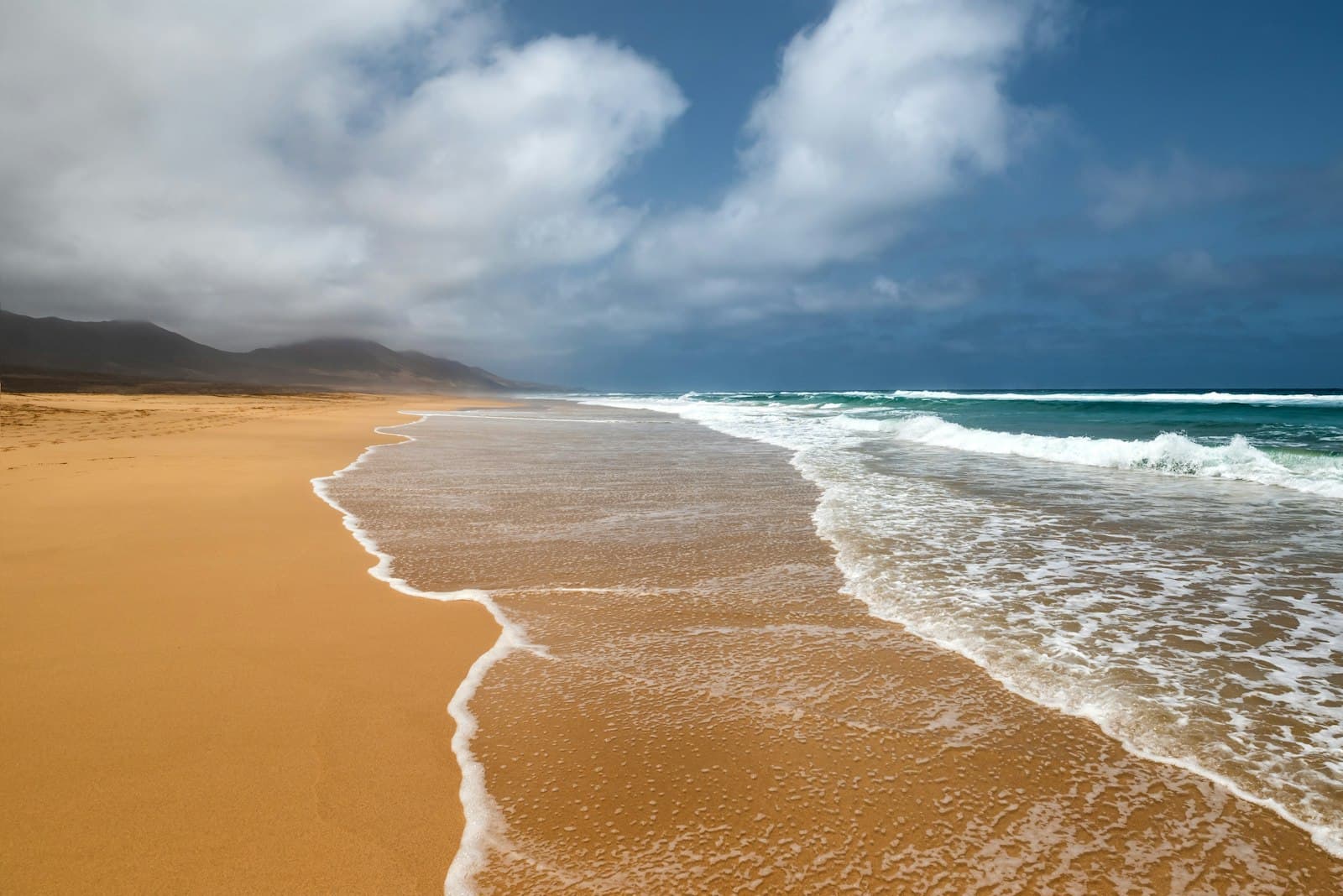
2. Playa de Cofete, Fuerteventura
About 12km of sand on the far side of the Jandía peninsula, with a mountain wall behind it and effectively nothing else.
Two warnings, both serious. The road in is unsurfaced and steep and most hire car agreements do not cover it, so take the bus or a tour. And the sea here has strong currents, no lifeguard, and a record of drownings.
It is on the list because standing there is genuinely remarkable. Do that, and swim somewhere else.
3. Playa de Papagayo, Lanzarote
A set of sheltered coves at the southern tip inside the Los Ajaches protected area. Clear, calm, and small enough that it fills up.
The access road is unsurfaced and there is a charge to enter. There is little shade and limited facilities, so bring water and take your rubbish out with you.
4. Playa de Benijo, Tenerife
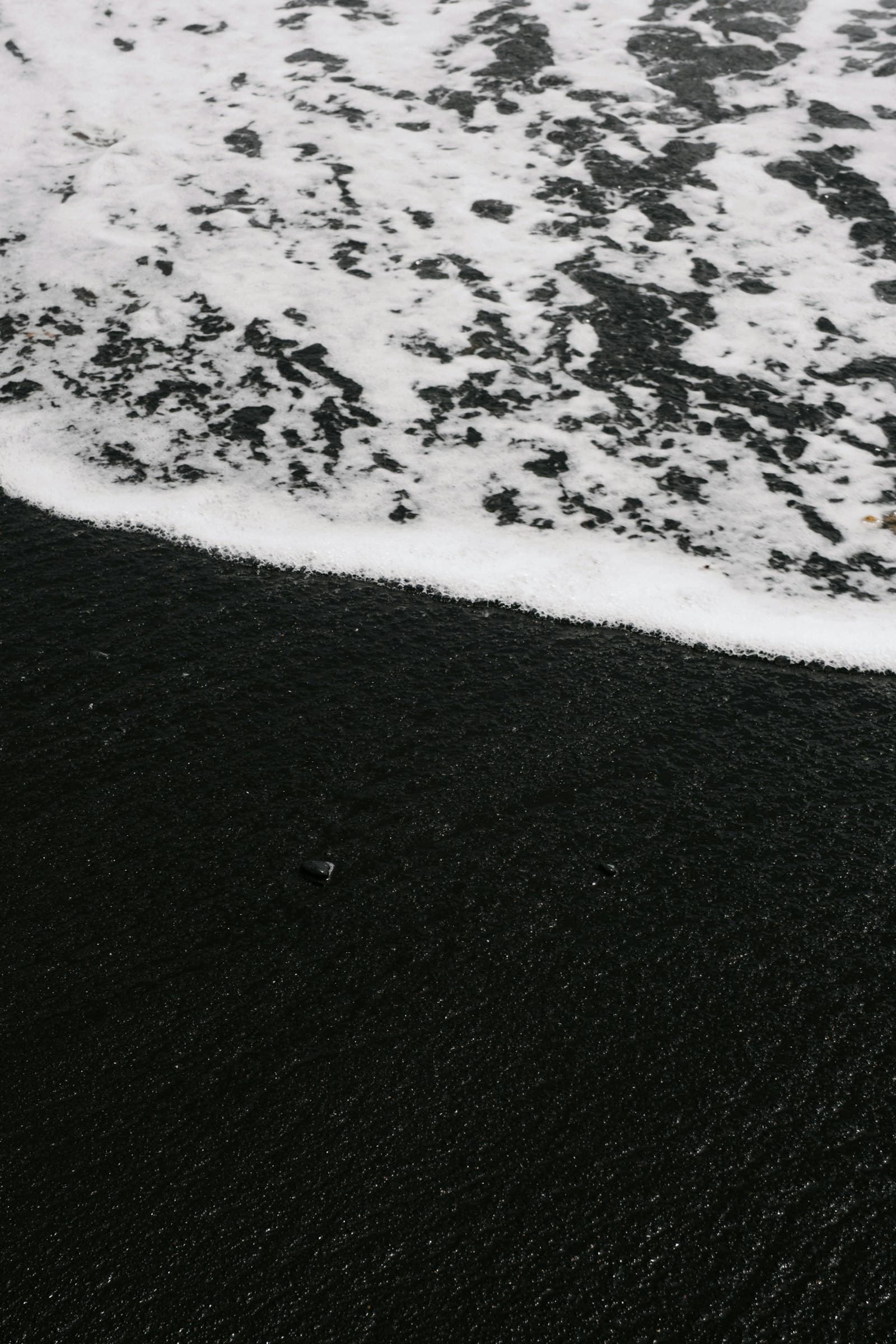
Black sand on the north coast at the end of the Anaga road, with sea stacks standing offshore. It is one of the most photographed places on the island and one of the least suitable for a casual swim.
The Atlantic arrives here with nothing in its way. There are currents and there is no lifeguard for most of the year. Plenty of people go, look, walk and eat at the restaurants above it without getting in, and that is the sensible plan.
Come for sunset. The stacks with the light behind them are the reason to make the drive.
5. Playa de Santiago, La Gomera
A dark-sand beach on the sunnier southern coast, in a small working town rather than a resort.
La Gomera gets far less sun on its north side, so the south is where the reliable weather is. This is an unremarkable beach in the best sense: quiet, easy to reach, and next to somewhere you can get lunch.
Reading a Canary beach
Black sand is normal. These are volcanic islands, and the natural colour of the sand is dark. A good deal of the pale sand in the resorts was brought in.
Black sand gets hot. Considerably hotter than pale sand in the same sun. Shoes matter more than you would think.
Wind and swell decide everything. The north coasts of all seven islands take the Atlantic swell. A beach that is calm in July can be dangerous in January, and the same beach can change within a day.
Look for the flags, and take them seriously. Where there is no flag and no lifeguard, which is most of the good ones, you are making the judgement yourself.
Take everything out. Several of these have no bins by design, because emptying them would mean a vehicle on the sand.